July 20, 2026
Wildlife management is crucial for maintaining the ecological balance on your ranch, and hog trapping is an essential part of this process. Choosing the appropriate hog trap can significantly impact the effectiveness of your management efforts, ensuring a healthy environment for other wildlife and your livestock. Making the wrong trap selection can lead to inefficiencies, increased costs, and potentially exacerbate the hog problem.
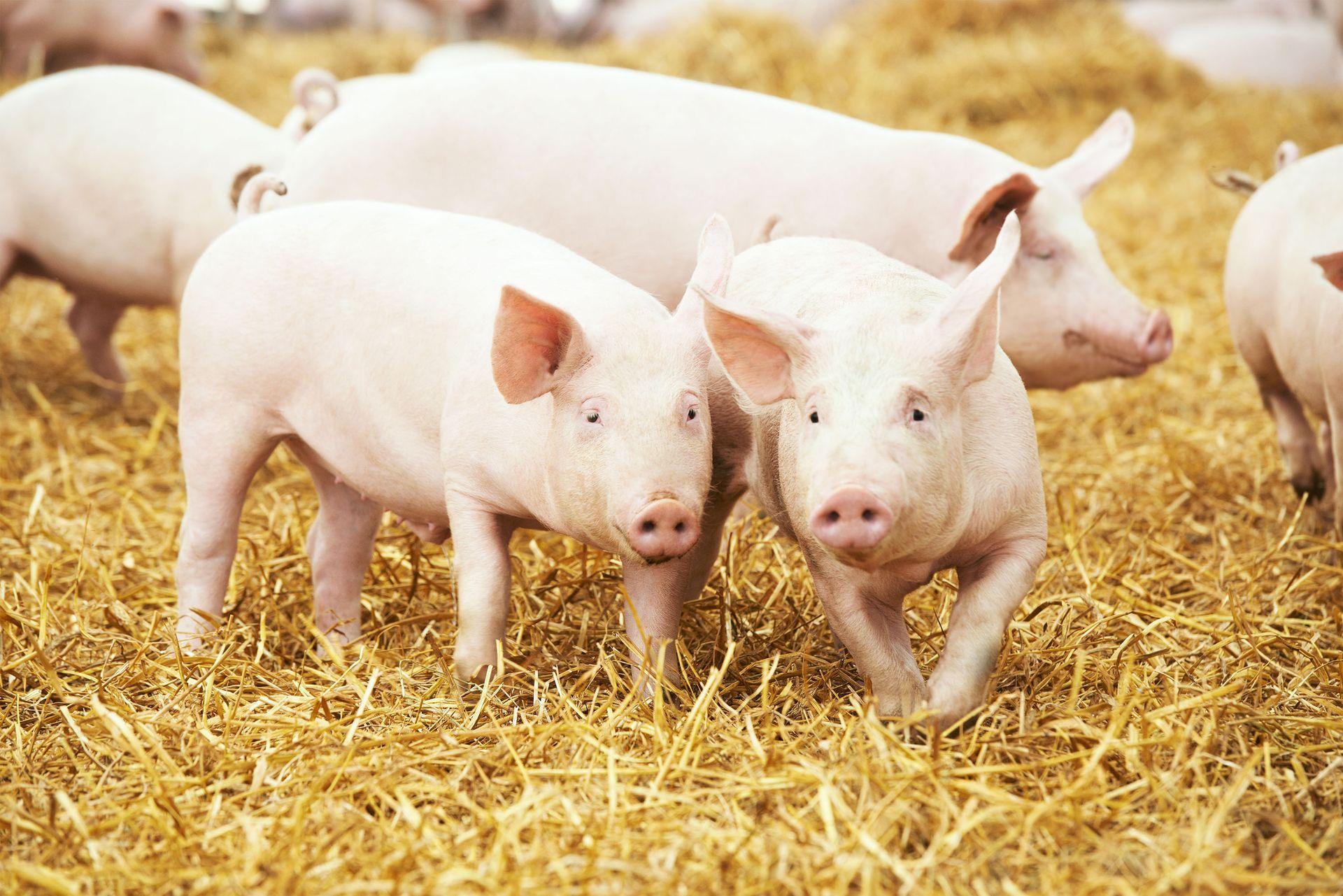
Feral hogs are known for their destructive behavior, rooting through soil and consuming resources meant for other animals. They can cause thousands of dollars in damages each year, affecting both agricultural productivity and natural habitats. With an estimated six million feral hogs across the United States, according to the U.S. Department of Agriculture, it's more important than ever for ranch owners to employ effective trapping strategies.
Hog Behavior
Feral hogs are opportunistic feeders, commonly known to consume vegetation, small animals, and even carrion. Their feeding habits typically revolve around agricultural fields, water sources, and wooded areas where food is plentiful. Understanding these patterns allows ranchers to strategically place traps in areas with high hog activity. By doing so, you increase the likelihood of capturing these elusive creatures. Remember, hogs are nocturnal, and trapping efforts may be most successful during the evening hours when they are most active.
Their feeding activities not only damage crops but also disrupt local ecosystems by outcompeting native species for resources. Properly addressing these feeding habits can help mitigate the ecological impact on your ranch. When identifying trap locations, consider the seasonal availability of food sources, as this can influence hog movement and behavior.
Feral hogs tend to have a defined home range where they establish their resources for survival, including food, water, and shelter. However, when these resources become scarce, hogs may extend their range significantly. Understanding movement patterns and migration paths can help ranchers anticipate where hogs will be, making trapping efforts more effective. During extreme weather conditions or breeding seasons, hog migration can be more pronounced.
Because feral hogs are highly adaptable, their range can vary greatly in response to environmental changes. Monitoring this movement can be achieved with the use of GPS tracking or field observations. By identifying and mapping these patterns, ranchers can strategically plan trap placement in zones with frequent hog passage. This insight into movement and migration facilitates more successful trapping strategies and aids in long-term population control.
Feral hogs are social animals, often traveling in groups known as sounders, which typically consist of females and their young. These group dynamics play a crucial role in determining effective trapping strategies for ranchers. When targeting hogs, it is essential to consider the social structure to increase the probability of capturing entire groups rather than individual animals.
Sounder behavior implies that traps should be large enough to accommodate multiple hogs simultaneously, which can lead to more efficient population management. Careful consideration of the social dynamics ensures traps are designed and placed in a way that maximizes the likelihood of capturing entire groups. By doing so, ranchers can significantly impact the local hog population size with each successful trap cycle.
Types of Hog Traps
Panel traps offer a more robust solution for capturing larger groups of hogs simultaneously. These traps consist of multiple sturdy panels configured in a circular or corral-like fashion, allowing hogs to enter and triggering a closing mechanism to contain them. Being able to handle more hogs at once makes panel traps a strategic choice for areas with high hog activity.
One significant advantage of panel traps is their versatility in size and shape, catering to different operation scales based on the needs of the ranch. However, due to their size, they require more space and can be more challenging to relocate once set up. Despite their complexity, they offer increased capture rates and efficiency.
Moreover, panel traps can be adapted with new technologies, such as remote monitoring and automatic closures, enhancing their effectiveness. They provide a stronger containment solution compared to smaller trap designs and are suitable for intensive trapping initiatives. Overall, panel traps are an excellent choice for managing large sounders or trapping in areas with high hog traffic.
Drop traps are an effective solution for capturing entire sounders of feral hogs in a single event. These traps typically consist of a large steel frame suspended above a baited area. Once the entire group has gathered beneath the trap, the frame is released, quickly enclosing the hogs. This design helps prevent individual animals from escaping and reduces the likelihood of educating hogs to avoid future trapping efforts.
One of the biggest advantages of drop traps is their ability to target complete groups instead of only a few animals. Since feral hogs are highly social, capturing as many members of a sounder as possible is one of the most effective ways to reduce local populations. Many modern drop traps can also be equipped with remote monitoring systems and wireless triggers, allowing ranchers to activate the trap only when the desired number of hogs is in position.
Although drop traps require careful setup and regular monitoring, they offer excellent flexibility for ranches with consistent hog activity. Their open design allows hogs to become comfortable feeding beneath the trap before it is activated, increasing capture rates over time. Built with heavy-duty materials, quality drop traps are designed to withstand repeated use and the strength of multiple feral hogs, making them a valuable long-term investment for effective wildlife management.
Key Considerations for Trap Selection
The natural features and terrain of a ranch can greatly impact the success of trapping operations. Analyzing hills, valleys, and waterways helps determine the appropriate trap type and placement strategy. Equipment may need to be customized to fit the specific challenges or advantages presented by the land. Certain traps are more suited to flat, open spaces, while others perform better in wooded or rugged environments.
Understanding how hogs navigate these terrain features can also provide insight into their behavior and inform trap placement. For example, traps positioned near natural funnels or pinch points can lead to higher capture success rates. By working with the land, as opposed to against it, ranchers can optimize trapping efforts.
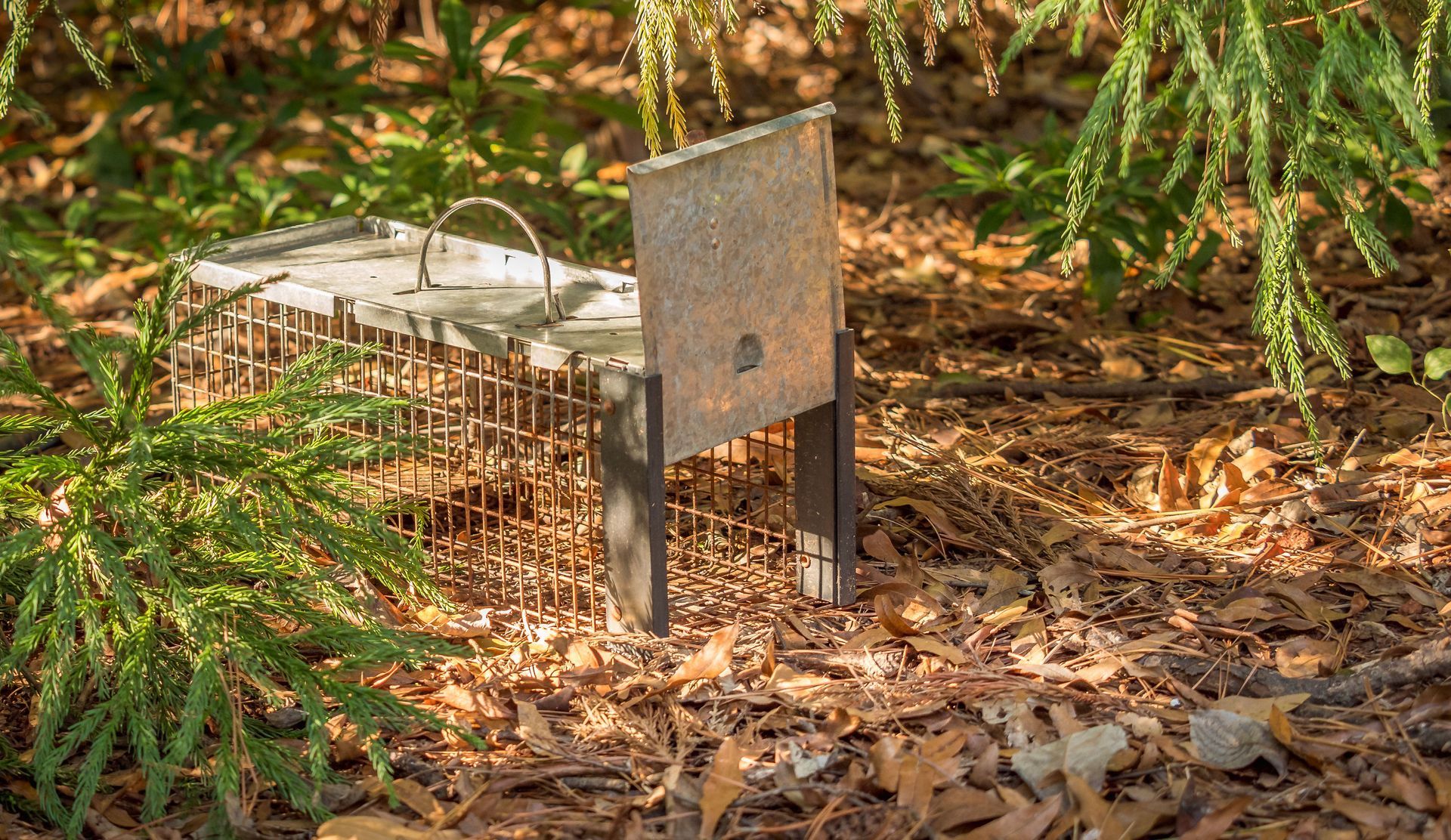
Knowing the size of the target hog population is critical to selecting the most effective trapping solutions. For smaller populations, portable traps like box traps might suffice, but high-density hog areas may necessitate larger traps such as corral or panel traps to be effective. Assessing this will dictate not only the choice of trap but also the scale of trapping operations needed.
Conducting preliminary surveys to estimate population size can guide efforts and prevent over- or under-investment in trapping equipment. The use of trail cameras and field observations can be invaluable tools in establishing a clear understanding of local hog numbers and distribution. Strategizing based on these insights ensures the use of appropriate resources, leading to successful population control.
The choice of materials in trap construction plays a significant role in ensuring long-term effectiveness. Given the strength and tenacity of feral hogs, traps need to be built from high-durability materials such as fortified steel mesh or heavy-duty gauge wire. Poor construction can lead to escape, damage, or failure of the trapping mechanism.
When selecting materials, ranchers must balance cost with durability to ensure a viable solution. Higher upfront spending on quality materials can yield better returns over time due to reduced maintenance and more extended usability. Selecting materials that can withstand various weather conditions is also critical in ensuring that traps remain functional throughout the year.
Choosing the right hog trap is an important step toward protecting your ranch, livestock, and natural resources from the damage caused by feral hogs. By understanding hog behavior, evaluating your property's terrain, and selecting durable equipment designed for your target population, you can improve the success of your wildlife management efforts. Investing in the right trapping strategy today can help reduce hog populations more efficiently and support the long-term health and productivity of your land. For more information on how to choose the right
hog trap, contact Hog Brothers today.