September 2, 2026
Feral hog activity can create significant challenges for property owners, particularly when animals repeatedly disturb soil, damage vegetation, interfere with agricultural operations, or move through areas used by livestock. Their ability to adapt to different environments can make managing their presence complicated. When signs of activity become noticeable, selecting an appropriate management approach requires careful consideration of the property, the animals’ behavior, and the surrounding environment.
Choosing hog traps is not simply a matter of selecting the largest or most familiar option. Different trap designs are suited to different conditions, and factors such as available space, hog movement patterns, terrain, vegetation, and the size of the group using the property can influence which approach is appropriate. Understanding these differences can help property owners have more productive conversations with wildlife management professionals and make decisions that reflect the conditions on their land.
Evaluating Hog Activity Across the Property
Before deciding on a trapping approach, it is important to understand the nature and extent of hog activity on the property. Feral hogs can leave behind several recognizable signs, including disturbed soil, damaged vegetation, muddy wallows, tracks, and trails through wooded or grassy areas. The location and frequency of these signs can provide useful information about how animals are using the landscape.
Activity may also vary considerably from one property to another. Some locations may experience occasional visits from a small number of animals, while others may support regular movement by larger groups. Agricultural areas, wooded properties, pastures, and land near reliable water sources can each present different management considerations.
Professionals evaluating hog traps may consider where animals travel, feed, rest, and enter the property before determining which trapping design is suitable. A trap placed without considering these behavioral patterns may not address the actual movement of the animals. A broader assessment allows the trapping strategy to reflect how hogs are interacting with the property rather than relying solely on visible damage.
Seasonal conditions can also influence activity. Changes in food availability, rainfall, vegetation, and water access may alter where hogs travel and how frequently they visit particular areas. For that reason, recent evidence of movement can be especially important when evaluating trapping options.
Comparing Trap Designs for Property Conditions
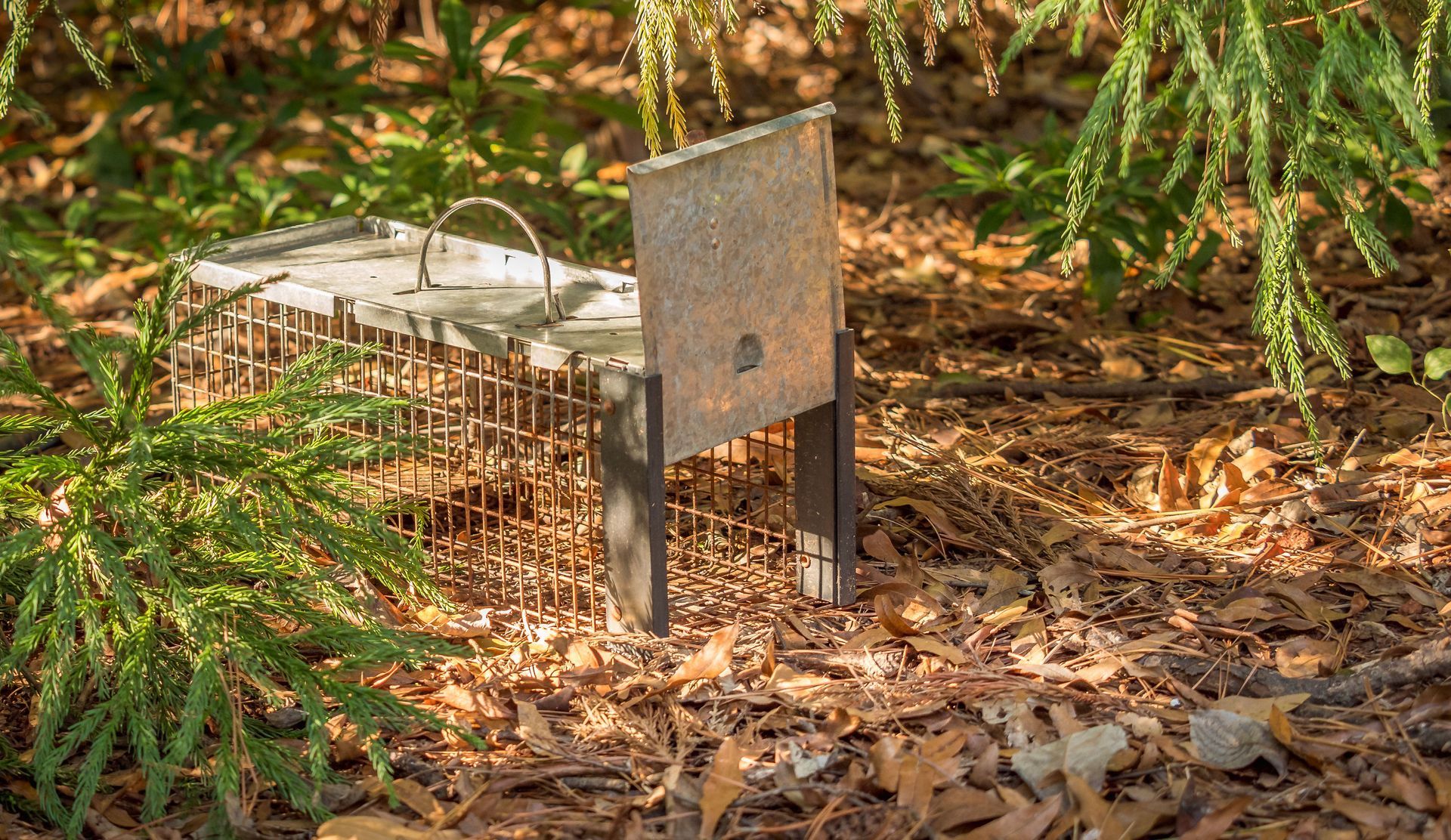
Trap design is one of the most important considerations in feral hog management because different systems function in different ways. According to Texas A & M AgriLife Extension, the four commonly used categories of feral pig traps are corral traps, box traps, drop traps, and net traps. Each category has characteristics that may make it more appropriate for particular property conditions or management objectives.
Corral-style systems generally provide a larger enclosed area, making them relevant when groups of hogs are traveling together. Their size can be useful where sufficient open space is available and where hog activity is concentrated around a predictable location. The surrounding terrain, vegetation, and accessibility of the area can influence whether this type of system is practical.
Drop and net systems operate differently from rigid enclosures and may offer advantages under particular conditions. Selecting among these hog traps requires more than comparing physical dimensions. The appropriate choice depends on animal behavior, property characteristics, management goals, and how the system will be professionally monitored and managed.
Considering Group Size and Hog Behavior
Feral hogs are social animals, and their group behavior is an important part of trapping decisions. When several animals regularly travel and feed together, capturing only part of the group may leave continued activity on the property. Remaining animals may also respond differently after encountering changes in a familiar feeding or travel area.
The design of hog traps should therefore correspond with the expected group size and movement patterns whenever possible. A system intended for limited activity may not be appropriate where a larger group consistently uses the same location. Likewise, a large trapping system may not always be necessary when activity is isolated or constrained by the physical characteristics of the site.
Hogs can also become cautious around unfamiliar objects or environmental changes. Professional management takes this behavior into account when assessing how a trapping system fits into the surroundings. Understanding the animals’ response to a site can be as important as understanding the mechanical characteristics of the trap itself.
Assessing Terrain and Available Space
Property layout can significantly affect which trapping system is practical. Open agricultural land offers different possibilities than heavily wooded acreage, steep terrain, narrow access corridors, or developed property. Even when hog activity is substantial, the surrounding environment may limit where equipment can reasonably be positioned and managed.
Accessibility is another important consideration. A suitable location needs to support professional management while minimizing unnecessary disruption to other property activities. Livestock movement, agricultural equipment, utility areas, fences, roads, buildings, and recreational spaces can all affect the selection of an appropriate location.
For these reasons, choosing hog traps should involve evaluating both the animals and the land itself. A design that works well on one property may be impractical on another, even when both locations experience similar levels of hog activity. Matching the trapping approach to the physical environment helps create a management strategy based on actual site conditions.
Considering Safety and Ongoing Management
Feral hog trapping involves wildlife, specialized equipment, and potentially unpredictable animal behavior. Safety should therefore remain a central consideration throughout the management process. Property owners may have livestock, pets, employees, tenants, visitors, or recreational users who regularly move through areas where hog activity occurs.
Professional planning can account for these circumstances when determining where trapping equipment should be located and how the surrounding area should be managed. The objective is not only to address hog activity but also to consider how the trapping system interacts with normal property use.
The effectiveness of hog traps is therefore connected to more than the equipment itself. Site evaluation, wildlife behavior, responsible management, and continued observation all contribute to the broader trapping strategy. Treating trapping as an ongoing management process rather than an isolated event can provide a clearer understanding of what is happening across the property.
Matching Trapping Goals With Property Needs
Property owners may have different reasons for addressing feral hog activity. Agricultural operators may be concerned about disturbed fields or pasture areas, while residential landowners may be focused on landscaping, lawns, or recurring activity near structures. Owners of recreational or undeveloped acreage may be primarily concerned with habitat disturbance and repeated hog movement.
Clearly identifying the management objective can help determine what characteristics matter most when comparing trapping options. Available space, frequency of activity, group behavior, property access, and surrounding land uses may all influence the decision.
Selecting hog traps with these broader considerations in mind helps property owners approach the issue strategically. Rather than focusing exclusively on a particular trap style, the decision can account for the property as a whole, including current damage, likely travel routes, land use, and the potential for future activity.
Choosing Professional Support for Hog Management
Selecting an appropriate trapping system ultimately depends on understanding both feral hog behavior and the specific characteristics of the property. Corral, box, drop, and net systems each offer different features, and no single option is automatically appropriate for every situation. Terrain, available space, animal movement, group size, accessibility, and ongoing property use can all influence the decision.
A professional assessment can help connect those factors to a suitable management approach without relying on assumptions based only on visible damage. It can also help property owners understand how changing conditions may affect hog activity over time. When hog traps are selected as part of a broader wildlife management strategy, the focus remains on matching the equipment and approach to the circumstances present on the land.
If feral hog activity is affecting your property, Hog Brothers can help evaluate the situation and determine an appropriate course of action. We can assess the property, discuss available trapping options, and explain how different systems may fit your management needs. Contact us to learn more about our approach and discuss the conditions affecting your land.