June 27, 2026
Wild hog populations continue to create serious challenges for farmers across the country. These invasive animals damage crops, disrupt soil conditions, contaminate water sources, and threaten agricultural profitability. Traditional management methods often struggle to keep pace with rapidly growing populations, leaving producers searching for more effective solutions. One of the most reliable approaches involves the use of hog traps to reduce populations before they can cause widespread destruction. When properly implemented, trapping programs help safeguard harvests, preserve valuable resources, and support long-term agricultural success.
Understanding the Threat Wild Hogs Pose
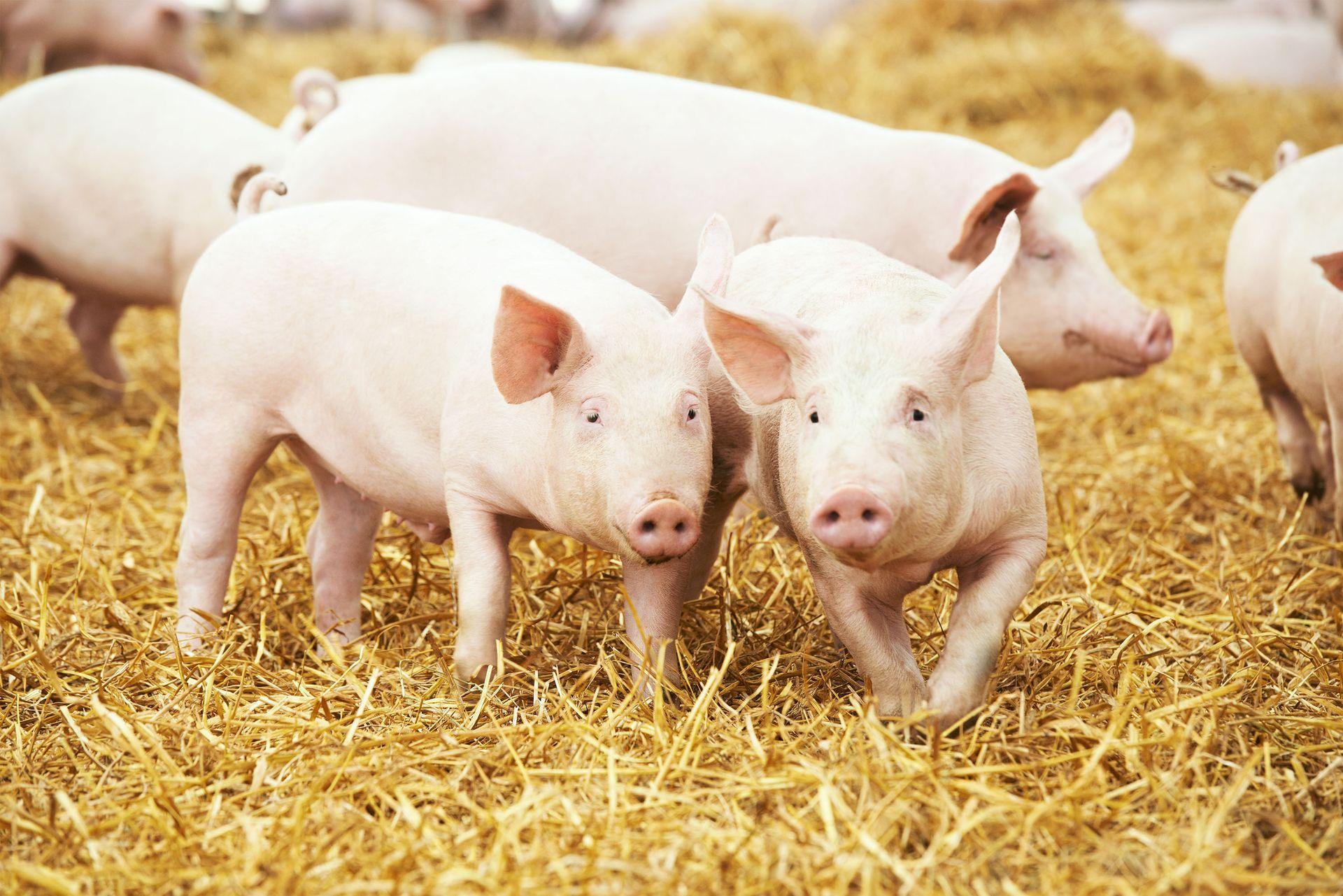
Wild hogs are highly adaptable animals capable of thriving in a wide range of environments. Their reproductive capacity allows populations to expand quickly, making control efforts increasingly difficult if action is delayed. These animals consume and destroy crops while rooting through fields in search of food, damaging both mature plants and newly established growth.
According to the Animal and Plant Health Inspection Service, feral swine can run at speeds of around 30 miles per hour, allowing them to move quickly across large areas and making them difficult to manage through pursuit alone. Their mobility contributes to the extensive reach of their destruction and highlights why effective population control strategies are necessary. The impact extends beyond immediate crop loss. Wild hog activity contributes to soil erosion, disrupts irrigation systems, damages fencing, and creates unsafe conditions for livestock. Left unchecked, their presence can threaten the financial stability of agricultural operations.
Why Traditional Control Methods Fall Short
Farmers have historically relied on hunting and fencing to limit wild hog activity. While these methods can provide temporary relief, they often fail to address the broader issue of population growth. Hunting requires significant time and effort, and it typically removes only a small percentage of the population. Because wild hogs are intelligent animals, repeated hunting pressure can alter their behavior, making them more cautious and difficult to locate.
Fencing can protect certain areas, but installation and maintenance costs can become overwhelming, especially for large properties. Determined hogs may still find ways through vulnerable sections, reducing the effectiveness of this approach. These limitations have encouraged agricultural producers to adopt integrated management practices, with hog traps becoming a central component of long-term control efforts.
How Hog Traps Work
Modern hog traps are designed to capture multiple animals at once while minimizing stress and maximizing efficiency. Corral-style systems are among the most widely used because they can contain entire sounders rather than individual animals. Successful trapping begins with identifying areas of consistent hog activity. Trails, feeding zones, and locations showing signs of rooting often serve as ideal trap sites. Cameras may be used to monitor movement patterns and determine the best timing for activation.
Baiting also plays an important role. Grain products commonly attract wild hogs and encourage repeated visits to the trap location. Allowing animals to become comfortable entering the enclosure before triggering the gate increases capture success. When used strategically, hog traps significantly reduce the number of destructive animals present on agricultural land.
Reducing Crop Damage Through Population Control
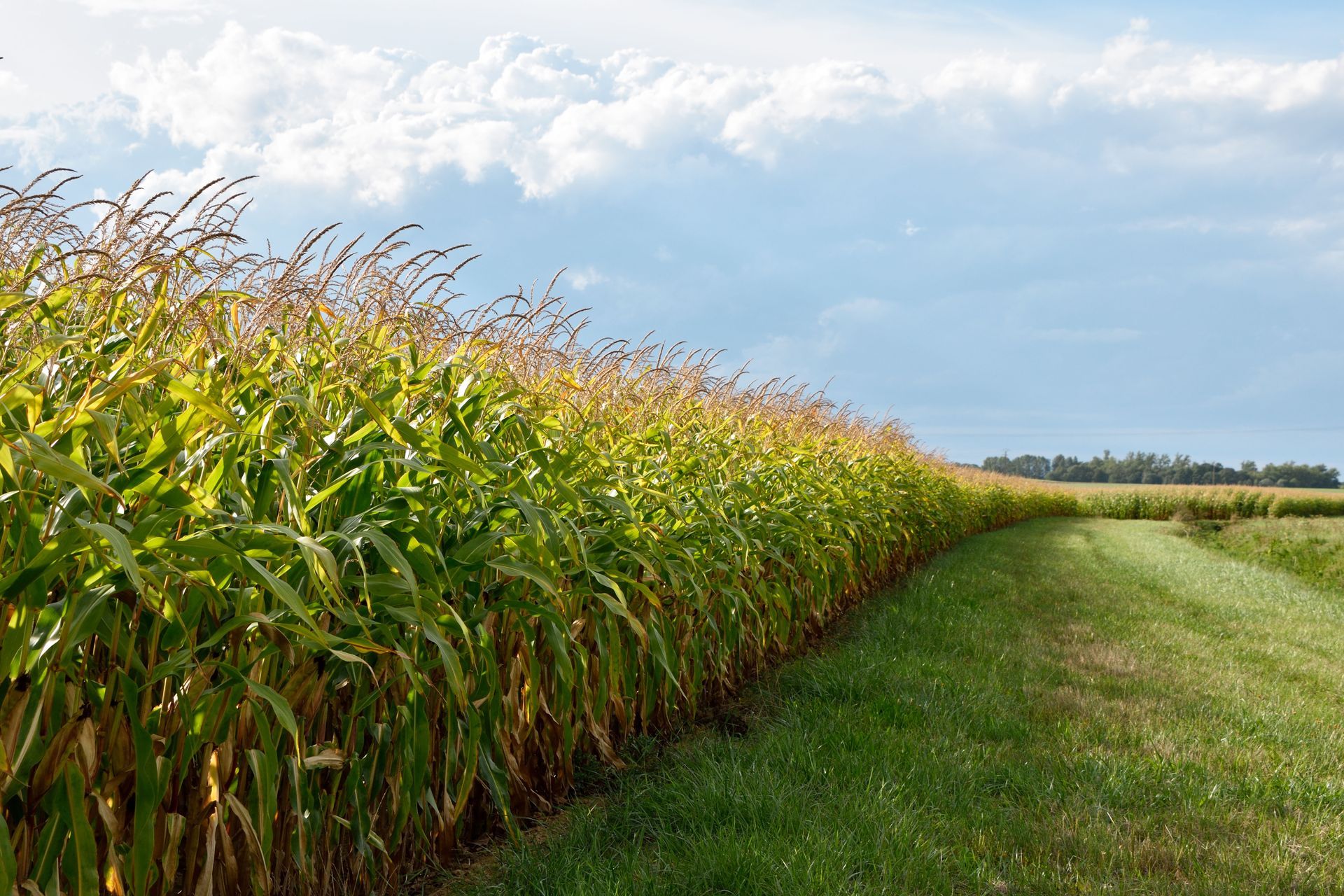
One of the greatest benefits of trapping is the direct reduction in crop destruction. Wild hogs feed on a wide variety of agricultural products, including corn, peanuts, soybeans, wheat, fruits, and vegetables. Their rooting behavior uproots plants and disturbs developing crops, often leaving large sections of fields unusable.
By lowering local populations, producers experience fewer incidents of feeding damage and soil disturbance. Reduced activity allows crops to mature properly and improves the likelihood of achieving expected yields.
As fewer hogs occupy the landscape, farmers may also notice decreased damage to irrigation systems, access roads, and pasture areas. This broader protection helps preserve operational efficiency while reducing unexpected repair expenses. Consistent use of hog traps supports healthier growing conditions and contributes to more predictable harvest outcomes.
Economic Benefits for Farmers
Crop losses represent only one portion of the financial burden associated with wild hog activity. Repairing damaged infrastructure, replacing fencing, restoring fields, and implementing emergency control measures all require substantial investments. Trapping programs help control these expenses by preventing destruction before it occurs. Although initial setup costs exist, they are often outweighed by the long-term savings generated through reduced damage and fewer emergency interventions.
Capturing entire groups rather than isolated individuals improves efficiency and enhances return on investment. Producers gain greater confidence in their production forecasts and experience fewer disruptions during critical growing periods. The cost-effectiveness of hog traps makes them an attractive option for both small farms and large agricultural operations seeking sustainable solutions.
Factors That Improve Trapping Success
The effectiveness of a trapping program depends heavily on proper planning and ongoing management. Trap placement should be guided by evidence of recent activity rather than convenience alone. Regular monitoring allows adjustments to be made as hog movement patterns change throughout the year. Seasonal shifts in food availability may alter travel routes, requiring traps to be relocated periodically.
Maintenance is equally important. Damaged panels, faulty gates, and inadequate baiting can reduce capture rates and allow animals to escape. Routine inspections ensure equipment remains functional and capable of withstanding repeated use. Advancements in technology have further improved trapping efforts. Remote cameras and gate systems provide real-time information that helps operators maximize results while minimizing labor demands. When these practices are combined, hog traps become highly effective tools for protecting agricultural investments.
Protecting Livestock and Water Sources
Beyond crop protection, controlling wild hog populations also benefits other aspects of agricultural operations. Wild hogs frequently contaminate ponds, streams, and watering areas through their wallowing behavior and waste, creating potential health concerns for livestock and wildlife. Their presence near grazing areas can also increase competition for food resources and damage pastureland that producers rely on for feeding cattle and other animals. By using hog traps as part of a comprehensive management strategy, farmers can reduce these risks while preserving cleaner water sources and healthier grazing conditions. This added layer of protection strengthens overall farm productivity and supports a safer environment for both livestock and agricultural workers.
Supporting Long-Term Agricultural Sustainability
Wild hog control is not simply about addressing today's problems. It is also about preserving farmland for future productivity. Repeated disturbances can degrade soil quality, reduce biodiversity, and create ongoing management challenges that affect long-term sustainability.
Effective population reduction helps maintain healthier ecosystems and promotes more stable agricultural production. Fields recover more quickly, erosion decreases, and producers can devote resources toward growth and innovation rather than constant damage control.
Community cooperation further strengthens outcomes. Neighboring landowners who coordinate trapping efforts often experience greater success because wild hogs are less able to relocate between properties and avoid management activities. A proactive approach benefits not only individual farms but also the broader agricultural communities that depend on productive land and reliable food supplies.
Wild hogs continue to pose a serious threat to agricultural operations, damaging crops and placing financial strain on producers. Traditional control methods often struggle to keep pace with expanding populations, making more comprehensive strategies essential. Through effective placement, proper maintenance, and consistent monitoring, hog traps provide an efficient way to reduce populations and prevent extensive crop loss. Their ability to capture multiple animals at once helps protect fields, preserve resources, and improve long-term farm profitability. If you're looking for dependable solutions to safeguard your property and agricultural investment, contact Hog Brothers to learn how professional trapping services can help you regain control and protect your land for years to come.