October 8, 2026
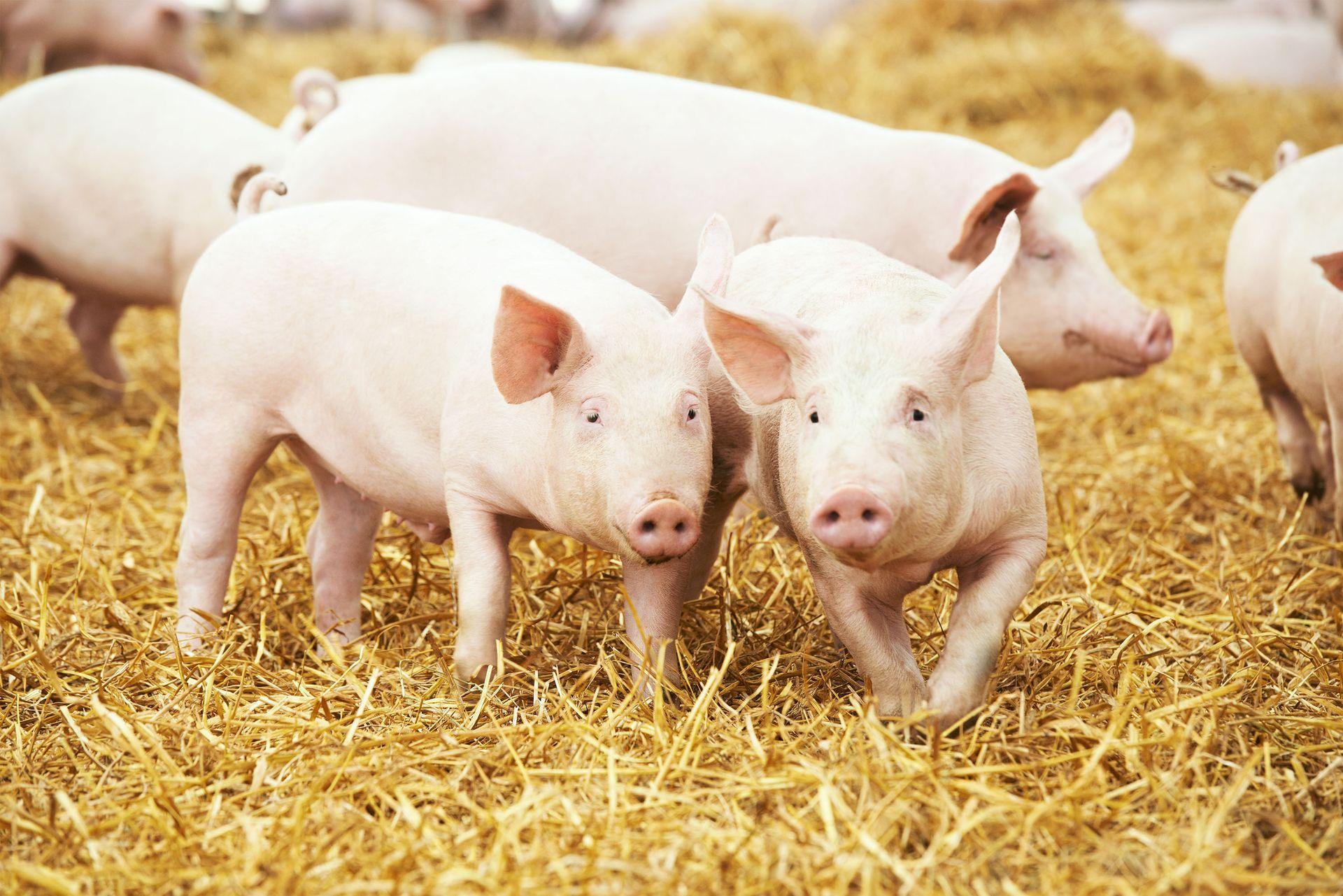
Feral swine represent an escalating ecological, agricultural, and financial crisis across rural and suburban landscapes. These highly invasive, intelligent mammals cause extensive destruction to pastures, row crops, natural wildlife habitats, timberlands, and residential landscaping within hours. Their relentless rooting behavior tears up delicate root systems, disrupts topsoil stability, accelerates soil erosion, and destroys native flora. Furthermore, feral swine carry dozens of dangerous viral and bacterial pathogens, as well as internal and external parasites, that threaten domestic livestock herds, pets, and human health. Their rapid reproductive rates mean that small sounders quickly explode into massive herds if left unmanaged, rendering simple, sporadic removal tactics virtually useless against their expanding populations.
Managing wild swine populations requires a highly strategic, scientific approach rather than reliance on basic hunting or localized shooting. Feral swine possess keen senses, adaptable social behaviors, and high intelligence, making them extremely cautious around human activity and sudden environmental changes. When partial removal efforts spook a sounder, surviving swine scatter across neighboring properties, adapt their movement patterns to become entirely nocturnal, and become significantly harder to capture. To achieve true population suppression and safeguard land equity, property owners must rely on comprehensive, professional trapping strategies designed to capture entire sounders simultaneously. Partnering with seasoned specialists who provide professional hog trap services ensures that trapping setups, baiting schedules, cellular surveillance networks, and dispatch protocols are executed with maximum efficiency, safety, and long-term success.
Assessing Provider Experience and Feral Swine Expertise
Evaluating the technical background and biological expertise of a trapping company forms the foundational step in selecting a reliable service provider. Effective swine management demands a deep, practical understanding of feral pig behavior, sounder social dynamics, seasonal foraging patterns, and intelligence levels. Inexperienced operators who rely on outdated methods or rush the trapping process frequently educated swine, making the animals trap-shy and far more difficult to manage in future attempts.
Choosing an established trapping team ensures that your property is evaluated using proven wildlife management methodologies. Experienced trappers spend ample time studying sounder movements, identifying key travel corridors, and monitoring feed habits before ever arming a drop gate. They understand how adult sows lead sounders and know how to bait traps patiently until every individual animal enters the enclosure consistently. Selecting knowledgeable professionals offering hog trap services guarantees that your wildlife problem is addressed strategically rather than through reactive, ineffective measures.
Inspecting Modern Surveillance and Remote Trapping Technology
Examining the technological capabilities of a trapping company is critical for modern feral swine management. Outdated mechanical trip-wire traps capture only a small fraction of a sounder, leaving remaining pigs to flee and reproduce rapidly elsewhere. Modern trapping success relies heavily on high-definition cellular trail cameras paired with remote-controlled drop gates or continuous catch designs that allow trappers to monitor animal activity live from mobile devices.
Advanced cellular surveillance systems transmit real-time video feeds and motion alerts, allowing technicians to observe sounder entry patterns without introducing human scent to the trap site. Trappers wait patiently until the entire herd, including cautious adult sows and young piglets, is safely inside the trap perimeter before triggering the drop mechanism remotely. Investing in specialized hog trap services equipped with state-of-the-art live-streaming cameras and cellular gate controls maximizes capture rates while eliminating premature trips caused by non-target wildlife.
Evaluating Baiting Strategies and Site Pre-Conditioning Protocols
Analyzing a company’s pre-conditioning protocols reveals their level of commitment to total sounder removal. Feral swine are naturally suspicious of new structures appearing in their territory and will avoid unfamiliar objects until curiosity and food incentives overcome their caution. Skimping on the pre-baiting phase or setting trap gates too early guarantees partial captures and long-term failure across your acreage.
Professional trapping crews execute careful pre-conditioning routines, placing irresistible bait blends around open trap frames for several days or weeks before activating capture mechanisms. Technicians monitor feed consumption daily, adjusting bait formulas based on regional natural food sources, seasonal shifts, and swine preferences. Patient site preparation establishes trust within the sounder, ensuring that all pigs feed comfortably inside the enclosure layout. Working with experts who prioritize disciplined pre-baiting ensures seamless execution once gates are finally set.
Reviewing Humane Handling and Captured Animal Protocols
Reviewing post-capture management procedures is essential for maintaining safety, regulatory compliance, and ethical standards on your property. Handling large groups of trapped wild swine involves significant physical risks due to their powerful jaws, sharp tusks, aggressive temperaments, and potential disease transmission. Trappers must possess clear, established protocols for processing captured animals quickly, safely, and humanely according to state agricultural guidelines.
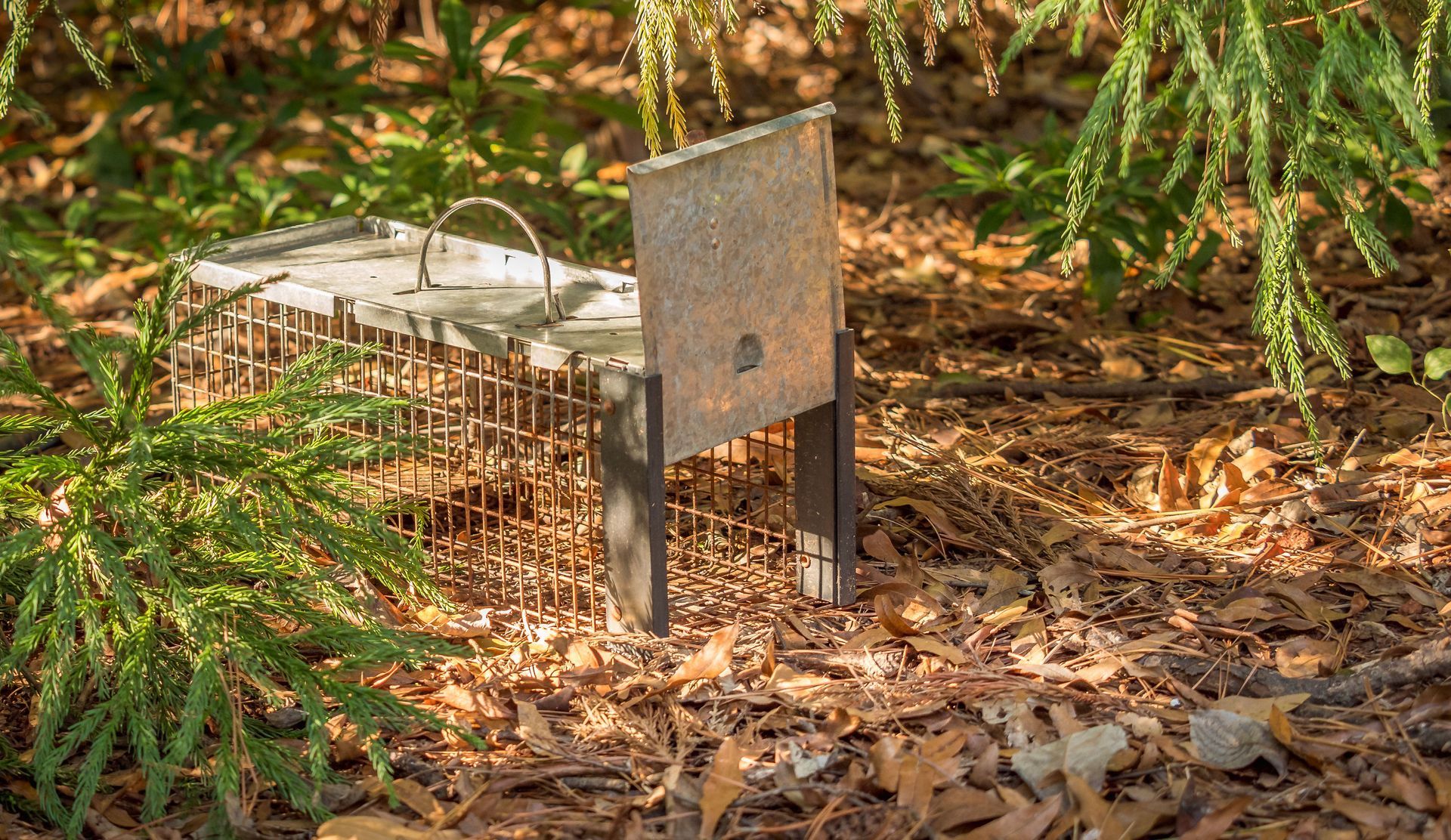
Property owners must consider processing regulations and disease risks when planning removal actions. According to Animal and Plant Health Inspection Service, there are at least two distinct management approaches—lethal and nonlethal—that must be evaluated when deciding how to handle captured animals from a hog trap. Professional technicians guide landowners through these regulatory pathways, managing transportation, legal disposition, and processing protocols with absolute professionalism. Relying on licensed hog trap services ensures that post-capture handling complies fully with state wildlife codes while protecting your livestock and family from disease exposure.
Verifying Licensing, Insurance Coverage, and Safety Standards
Verifying regulatory licensing, commercial liability insurance, and field safety compliance protects landowners from unexpected legal liabilities and financial losses. Trapping operations involve heavy steel equipment, high-tension springs, off-road vehicle transport, and handling unpredictable wild animals across remote terrain. Working with uninsured or unlicensed operators creates severe legal risks if property damage, livestock injury, or personal accidents occur during trapping services.
Reputable wildlife control companies maintain active state commercial trapping permits, comprehensive general liability coverage, and worker compensation insurance. They adhere strictly to property boundaries, close gates behind them, respect livestock pastures, and operate vehicles responsibly across sensitive agricultural fields. Furthermore, certified operators maintain strict sanitation standards, disinfecting boots, vehicle tires, and trapping hardware between jobs to prevent cross-contamination of livestock diseases across different farms. Requiring proof of credentials before signing service agreements ensures complete peace of mind throughout the removal process.
Transparent trapping providers offer detailed initial property assessments, outlining expected timelines, equipment deployment, and transparent cost breakdowns upfront. Beware of operators offering unrealistically low prices, as they often utilize low-grade equipment, neglect pre-baiting phases, or abandon projects after capturing only a few young pigs. Investing in high-quality hog trap services provides long-term population control, protecting your land equity, crops, and structural investment from recurring damage.
At Hog Brothers, we are deeply committed to protecting your acreage, preserving your livestock health, and delivering exceptional feral swine removal through master field expertise, advanced remote trapping technology, and dedicated customer care. Our team of experienced wildlife management specialists, tracking experts, and trapping technicians brings deep biological knowledge, high-definition cellular surveillance tools, and meticulous attention to detail to every agricultural, timberland, and residential property we serve across our community. We take immense pride in evaluating your unique land layout, tracking subtle sounder movements, and delivering customized pre-baiting routines, live-streamed cellular gate activations, and complete sounder removal solutions that restore your property safely. We carefully select heavy-duty, code-compliant trap enclosures, high-capacity drop gates, and specialized bait formulations that maximize capture efficiency, prevent trap-shyness, and eliminate invasive swine populations. By tailoring every removal plan to match your specific property boundaries and management goals, our crew ensures a seamless, stress-free experience that delivers lasting land protection and complete peace of mind. Contact us today to schedule your comprehensive property assessment and discover how our dedicated team can reclaim your land.