October 2, 2026
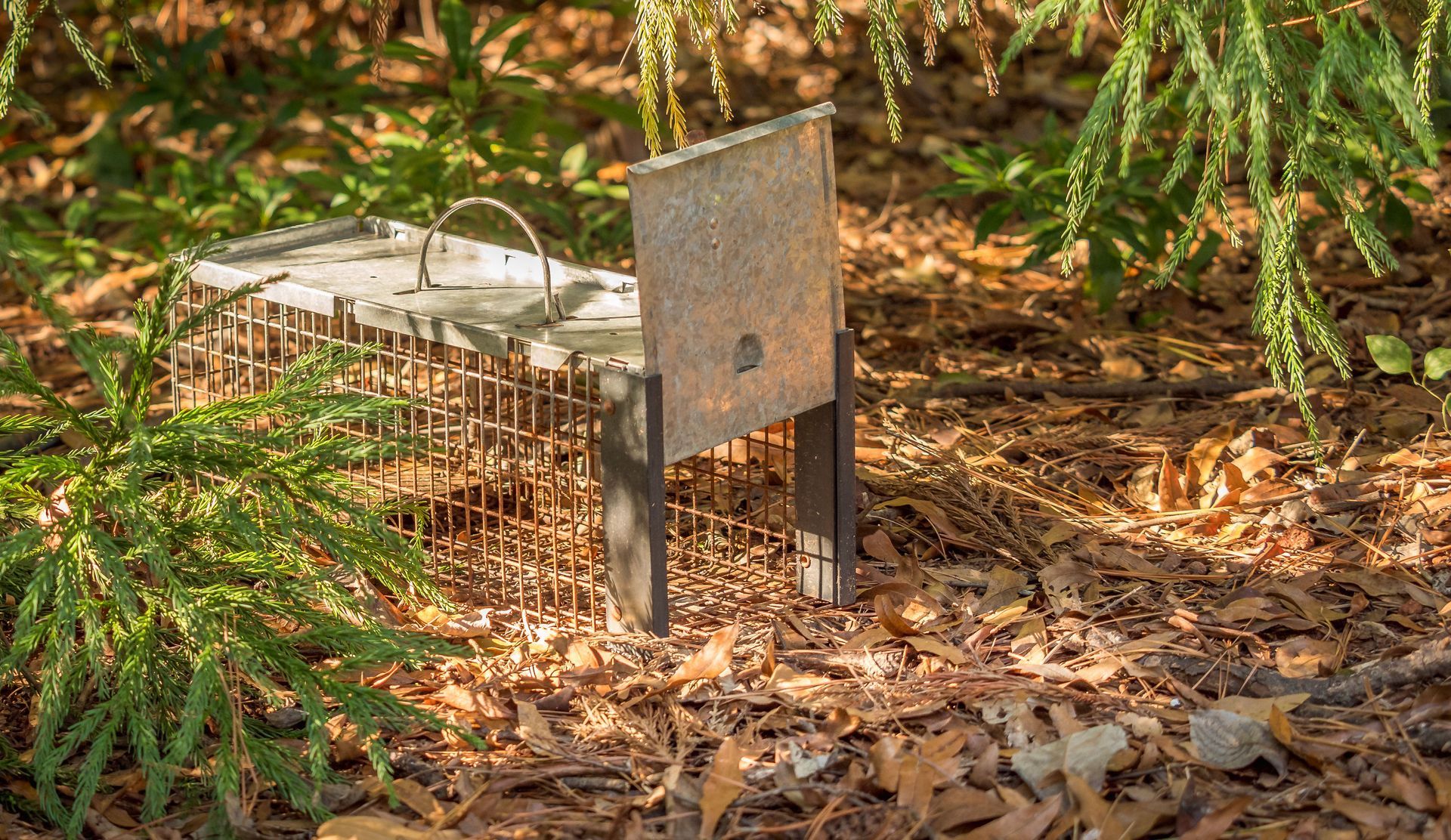
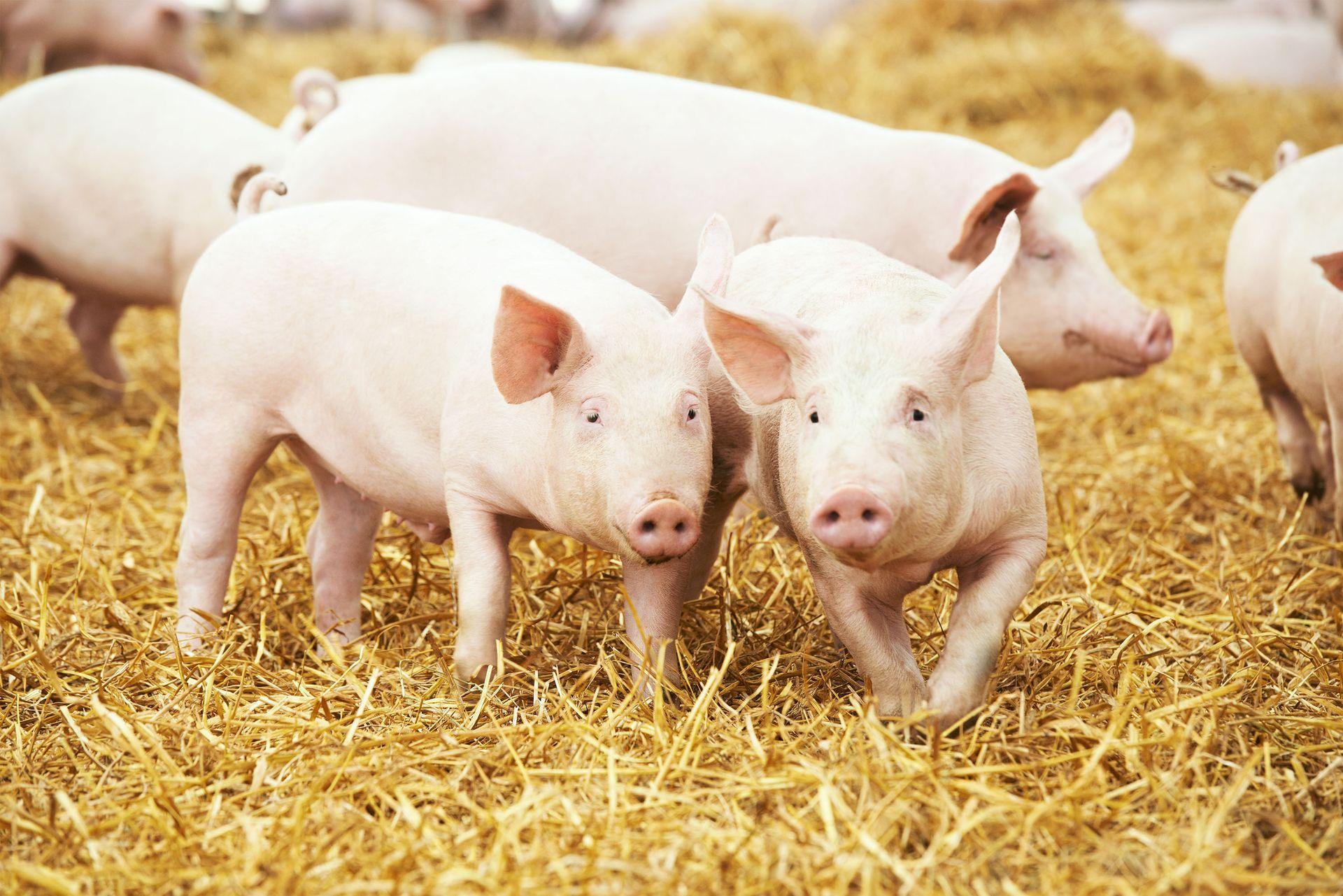
Feral hog control is an ongoing challenge because these animals are intelligent, adaptable, mobile, and capable of changing their behavior when they encounter pressure. A trapping method that works well in one location or during one season may become less effective as hogs learn to avoid certain areas, feeding patterns shift, or group behavior changes. That is why effective control often depends on continually improving how traps are placed, monitored, baited, and triggered. A professional hog trap service can respond to changing conditions by adjusting equipment and strategies rather than relying on a single fixed approach. Constant evolution is important because feral hog populations can spread quickly, damage property, disrupt agricultural operations, and become more difficult to manage once they become accustomed to human activity. Understanding why trapping methods need to keep changing can help landowners recognize the value of flexible, informed control strategies.
Responding to Population Movement
Feral hogs can move over large areas as they search for food, water, shelter, and breeding opportunities. Their movement may increase when natural food sources decline, crops become available, water levels change, or nearby properties experience pressure from hunting or trapping. A location that once had regular hog activity may suddenly become quiet, while another part of the property begins showing new signs of rooting, tracks, or wallowing.
According to Market Intel, feral hogs are an invasive species capable of adapting to different environments and are present in over 35 states across the U.S. Their ability to establish themselves in varied conditions shows why fixed strategies may not be enough. A hog trap service can account for movement by monitoring fresh activity and relocating or adjusting equipment when needed. Staying responsive helps keep trapping efforts focused where hogs are actually traveling instead of where they were active weeks earlier.
Improving Trap Placement Over Time
Trap placement is one of the most important parts of a successful control strategy, but the best location may change. Early signs such as tracks, disturbed soil, damaged crops, or trails can help identify where hogs are traveling, but those patterns can shift. Environmental changes, new food sources, weather, and pressure from people can all influence where groups spend time. A trap placed in the wrong location may see little activity even if hogs remain nearby.
Ongoing evaluation allows placement to evolve as conditions change. A professional can compare camera activity, feeding behavior, and fresh damage to determine whether a trap should stay in place or be moved. This makes a hog trap service more flexible and efficient because decisions are based on current evidence rather than assumptions. Continually refining placement can also reduce wasted time in areas that no longer have consistent hog traffic.
Refining Baiting Strategies Continuously
Bait can influence whether hogs approach and enter a trap, but the same baiting method may not remain effective forever. Food preferences can shift with the seasons, especially when natural food sources such as acorns, crops, insects, or other forage become more abundant. Hogs may ignore bait they previously consumed if another source becomes easier to access. They may also become cautious if they begin associating a bait site with trapping pressure.
For that reason, baiting strategies often need adjustment. Changes may include using different attractants, varying the amount of bait, altering the feeding schedule, or pre-baiting longer before activation. A hog trap service can use observed feeding behavior to determine whether hogs are entering confidently or remaining hesitant around the setup. Adapting baiting methods can help rebuild consistent activity and increase the likelihood that more of the group enters the trap before it is triggered.
Updating Monitoring and Trigger Methods
Modern trapping strategies often depend on monitoring tools that provide better information about how hogs interact with a trap. Cameras, remote monitoring, and other observation methods can show when hogs arrive, how many are present, and whether the entire group is entering the enclosure. This information matters because triggering too early can capture only a few animals while causing the rest to become more cautious.
As technology and monitoring practices improve, trapping methods can become more precise. A hog trap service may adjust trigger timing, camera positioning, or observation periods based on repeated activity. Better monitoring can reveal whether hogs are entering at different times, approaching from another direction, or avoiding part of the enclosure. Continually improving how activity is observed and interpreted allows trapping decisions to become more informed and less dependent on guesswork.
Reducing the Risk of Trap Avoidance
Trap avoidance can become a major challenge when hogs have experienced unsuccessful capture attempts or have seen others trapped. These animals may begin circling the area, feeding only near the edge, or avoiding the site entirely. Once caution develops, repeating the exact same setup may make the problem worse. This is one reason trapping strategies need to evolve instead of remaining static.
Changing the configuration, location, baiting process, or timing can help reduce recognizable patterns. A professional may also allow hogs more time to become comfortable before activating a trap. These adjustments are especially important when dealing with larger groups or animals that have already been exposed to control efforts. A flexible hog trap service can respond to avoidance behavior and make changes designed to restore normal feeding and movement around the trapping area.
Adjusting to Seasonal Conditions
Seasonal changes affect both hog behavior and property conditions. Rainfall can create new water sources, drought can concentrate animals around limited resources, and agricultural cycles can create temporary feeding opportunities. Vegetation growth may also change visibility, travel corridors, and access to trapping locations. A strategy that performs well during one season may need significant adjustment during another.
Seasonal changes can also affect equipment access and maintenance. Mud, flooding, dense vegetation, or dry conditions may make certain areas less practical for trapping. A hog trap service can adapt by choosing locations that remain accessible and productive while accounting for where hogs are likely to move under current conditions. Updating the strategy with the season helps prevent trapping efforts from becoming outdated when the environment changes.
Improving Long-Term Control Results
Effective feral hog management is rarely a one-time task. Even after successful captures, new hogs may move into the area from neighboring properties, or remaining animals may alter their behavior. Long-term control therefore depends on continued monitoring and a willingness to modify strategies as new activity appears. A system that is never reassessed may gradually become less effective.
Constant improvement makes it easier to respond before hog activity becomes severe again. Reviewing what worked, where hogs entered, which bait performed best, and how groups reacted can help improve future trapping efforts. A professional hog trap service can use this information to refine future setups rather than starting from the same basic plan every time. Over time, this approach can create a more responsive and informed control strategy for changing hog populations.
Feral hog trapping requires flexibility because the animals, environment, and conditions surrounding them are always changing. Behavior, population movement, seasonal food sources, weather, and previous trapping experiences can all influence whether a particular strategy continues to work. Constant evolution in trap placement, baiting, monitoring, triggering, and overall planning helps keep control efforts aligned with current activity instead of relying on outdated patterns. A hog trap service that continues to adapt can respond more effectively to changing conditions and help property owners address ongoing feral hog problems. For professional assistance with developing and adjusting a trapping strategy for your property, contact Hog Brothers.