July 21, 2026
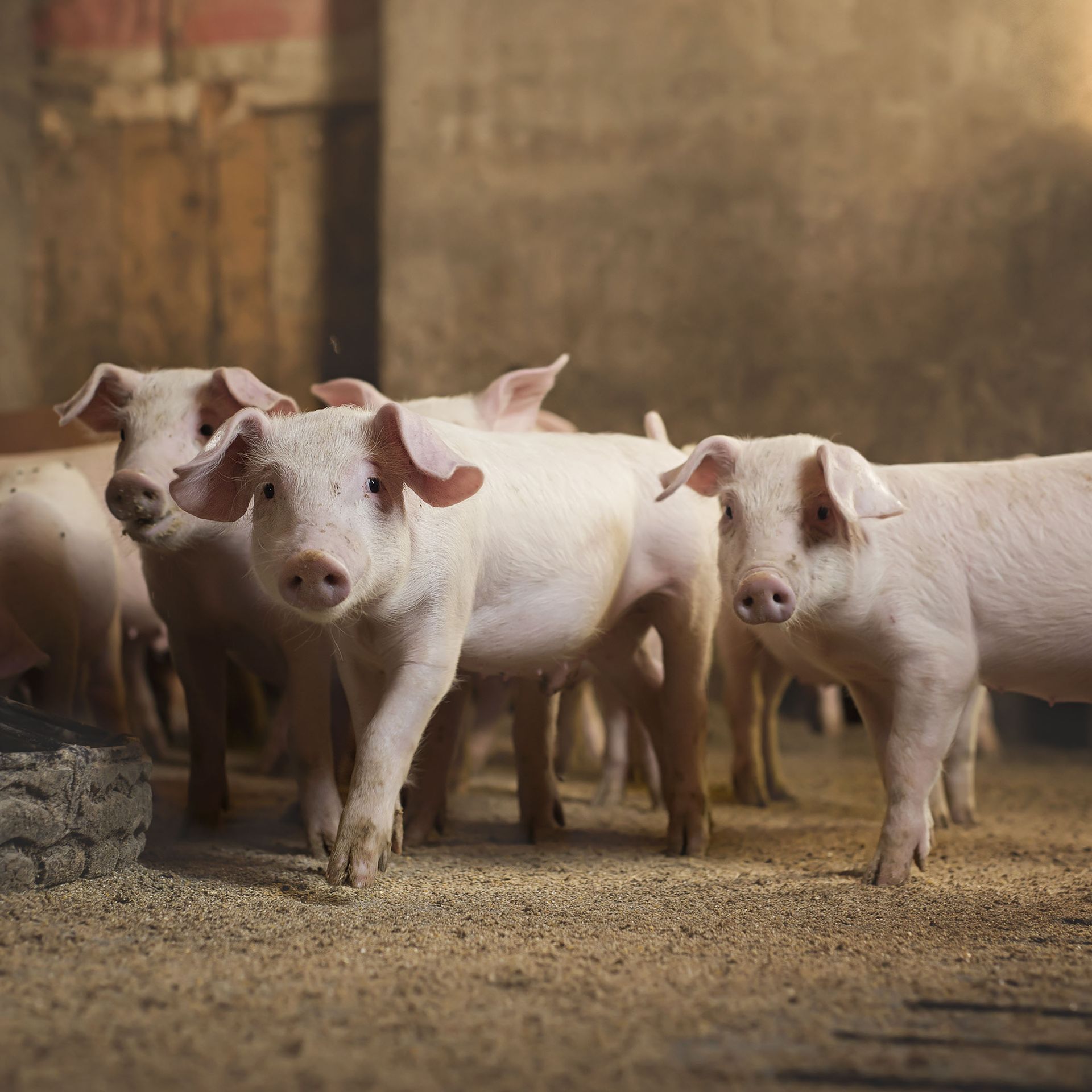
Wild hogs can cause significant problems for property owners, from damaged crops and torn-up lawns to threats against livestock, pets, and native wildlife. Knowing when to seek professional support can help prevent the problem from spreading and becoming more expensive to control. This article outlines key signs that it may be time to contact local hog trap services for safe and effective assistance.
1. Increasing Property Damage
Property damage is often the first sign that wild hogs are active on your land. These animals root through soil with their snouts while searching for food, leaving behind torn-up fields, damaged gardens, and uneven ground. For farmers, this can lead to crop loss and financial strain. For homeowners, it can mean ruined landscaping, damaged turf, and costly repairs.
Wild hog activity can also contribute to soil erosion. Their digging disrupts the ground, weakens soil structure, and makes the land more vulnerable during heavy rain. Over time, this can reduce soil quality and affect drainage across the property. When damage continues to appear in new areas, local hog trap services can help identify the extent of the problem and reduce the population before the destruction worsens.
Fences, gates, and other structures may also suffer damage as hogs push through barriers while traveling or searching for food. This is especially concerning for property owners with livestock, since damaged fencing can create escape risks. Professional trapping can help limit repeated damage and protect valuable property features.
2. Frequent Hog Sightings
Seeing wild hogs repeatedly is another clear sign that the issue should not be ignored. Hogs are often most active at night, so daytime sightings can suggest that the population has grown or that the animals have become comfortable near human activity. This increases the chance of dangerous encounters with people, pets, or livestock.
Property owners may also notice trails, trampled vegetation, wallows, and fresh rooting marks. These signs show that hogs are using the land regularly rather than simply passing through. If these patterns appear near barns, wooded areas, gardens, or water sources, the animals may have established a routine presence. Local hog trap services can evaluate these movement patterns and determine where trapping efforts are most likely to succeed.
3. Damage Near Water Sources
Wild hogs are often drawn to ponds, creeks, drainage areas, and other water sources. They use these areas for drinking, cooling, and wallowing, which can damage banks, muddy the water, and disturb nearby vegetation. Their presence may also increase contamination risks, especially when water is used by livestock or wildlife.
When hog activity becomes concentrated around water, it can affect the surrounding ecosystem. Native animals may be pushed away from important drinking areas, and erosion can spread along streambanks or pond edges. Professional trapping helps address these concerns before the damage becomes more difficult to repair.
4. Threats to Native Wildlife
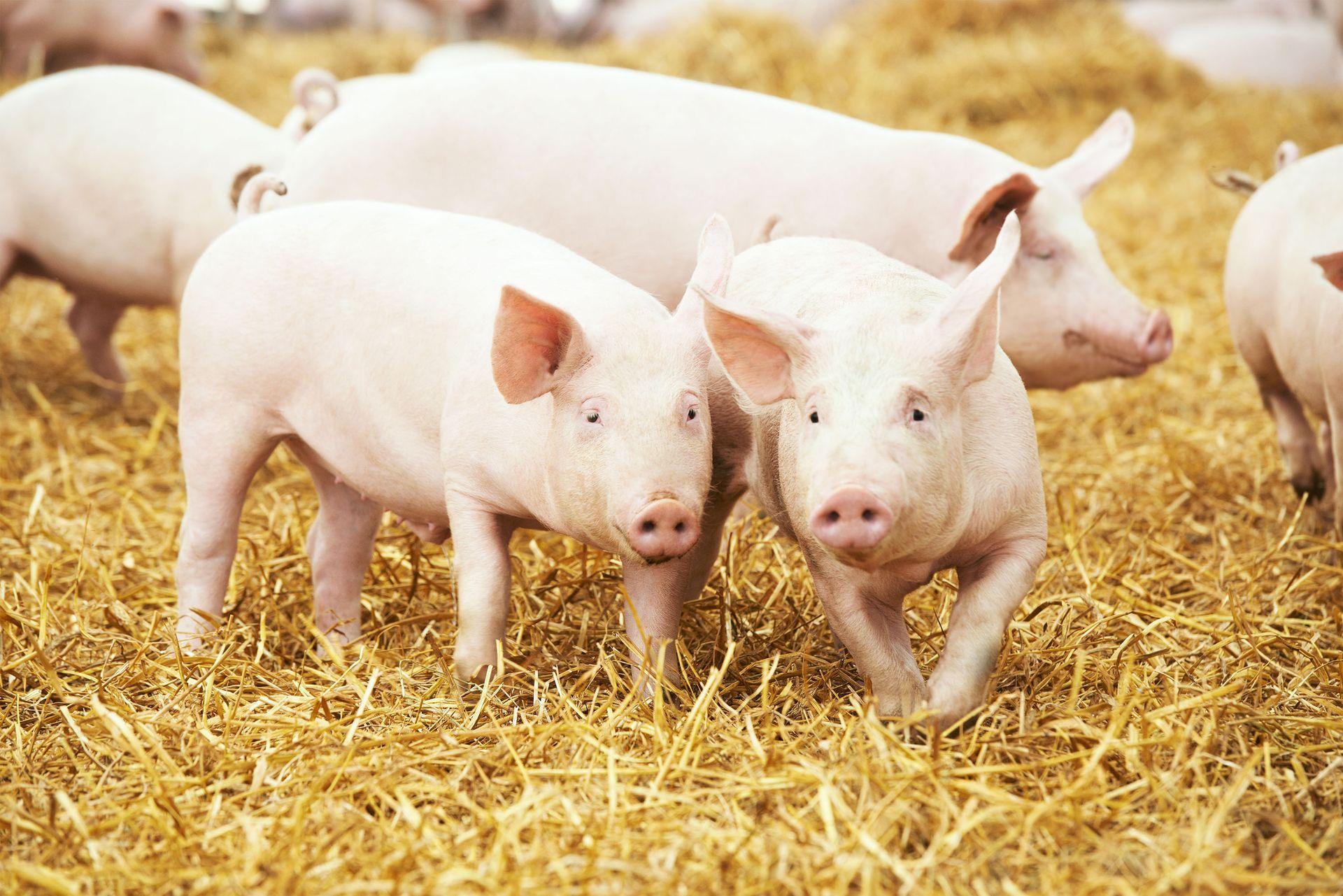
Wild hogs compete with native wildlife for food and habitat. They consume vegetation, roots, seeds, insects, eggs, and small animals, which can reduce resources for species that naturally belong in the area. According to the Animal and Plant Health Inspection Service, feral hogs can have two litters a year, with each litter consisting of four to twelve piglets. This rapid reproduction makes early control especially important.
Ground-nesting birds, reptiles, amphibians, and small mammals can be especially vulnerable. Hogs may destroy nests, eat eggs, and disturb breeding areas. As their population grows, the balance of the local ecosystem can shift, creating long-term harm for native species. Local hog trap services can help reduce pressure on wildlife habitats by managing hog numbers in a targeted way.
5. Health and Safety Concerns
Wild hogs can carry diseases and parasites that may affect humans, pets, livestock, and native animals. Their movement through pastures, water sources, and feeding areas can increase the risk of contamination. For farms and rural properties, this can create serious concerns for animal health and overall land management.
Safety is another major issue. Wild hogs are powerful animals with sharp tusks, and they may become aggressive if cornered or if their young are nearby. Families with children, pets, or livestock should take repeated hog activity seriously. Local hog trap services have the training and equipment needed to reduce these risks without putting property owners in harm’s way.
6. Ineffective DIY Removal Attempts
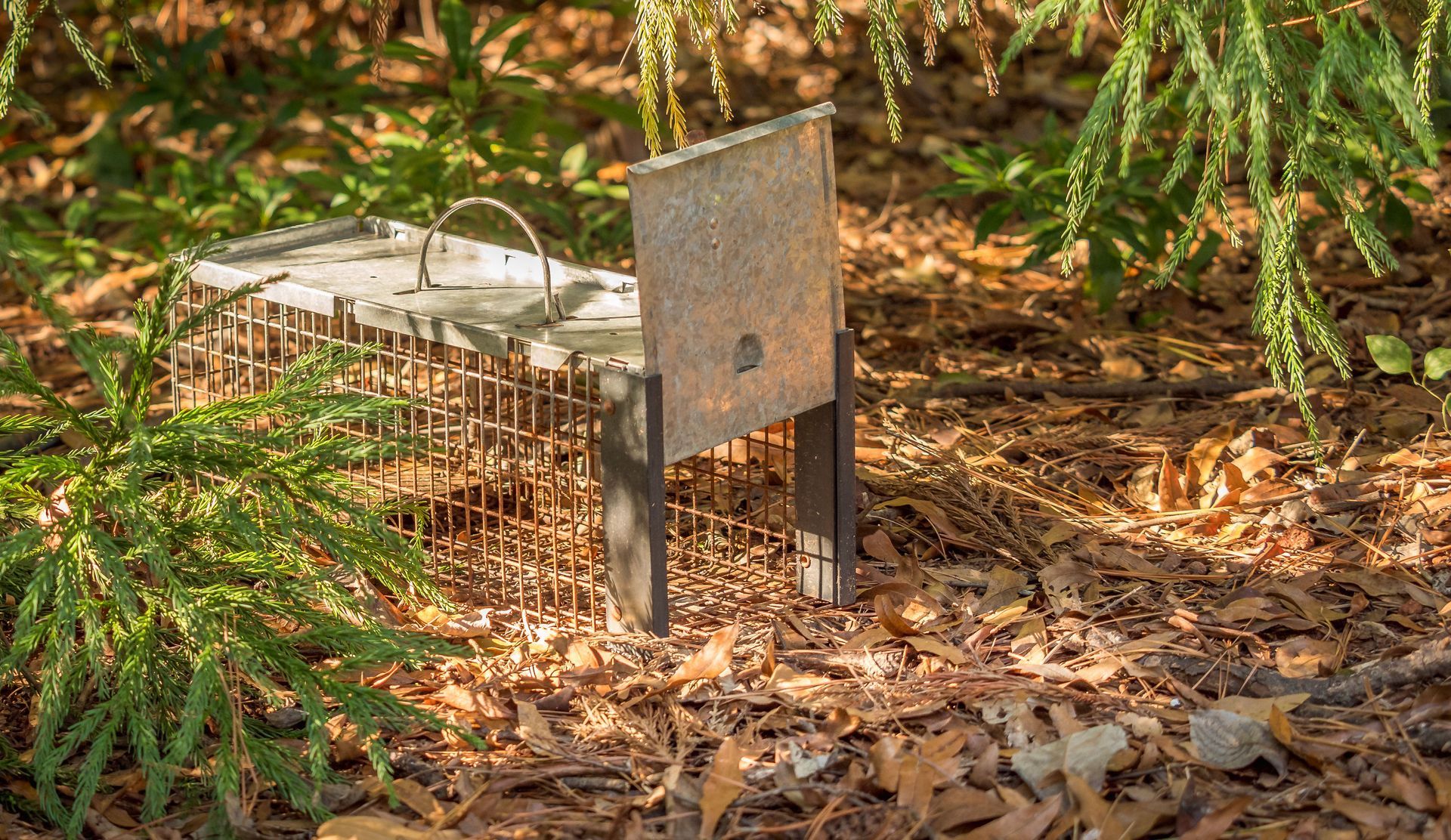
Many property owners try to handle hog problems on their own, but do-it-yourself methods are often unsuccessful. Wild hogs are intelligent, cautious, and quick to adapt when they sense danger. Poorly placed traps, inadequate equipment, or inconsistent baiting can make hogs harder to capture later.
DIY efforts can also create safety concerns. Improper trap setup may injure people, pets, or non-target animals. In some cases, failed attempts allow the population to continue growing while property damage increases. Local hog trap services understand hog behavior, travel routes, and safe trapping methods, which helps improve the chances of effective removal.
7. Legal and Regulatory Concerns
Hog trapping may be subject to local, state, or federal rules depending on the property location and removal method. Regulations can involve permits, trap types, transport rules, firearm restrictions, or wildlife management requirements. Property owners who are unfamiliar with these rules may unintentionally create legal problems.
Liability is another concern. Improper trapping practices can lead to injuries, property damage, or harm to non-target wildlife. Professional trappers understand how to follow safety standards and applicable regulations. Working with local hog trap services helps property owners address the issue responsibly while reducing unnecessary legal and safety risks.
8. When Professional Help Becomes Necessary
Professional help becomes especially important when signs of hog activity continue after repeated attempts to control the problem. Ongoing property damage, frequent sightings, contaminated water areas, and increasing safety concerns all suggest that the issue may be larger than it first appeared. Waiting too long can allow the herd to expand and make removal more difficult.
Taking action early can protect crops, landscaping, livestock, wildlife, and the overall value of the property. Professional trapping provides a more organized approach than guessing where hogs travel or setting traps without a clear plan. With the right support, property owners can reduce damage and restore safer conditions across their land.
9. Protecting Your Property and Ecosystem
Wild hogs can create serious and costly problems when they are allowed to remain unchecked. From soil damage and crop loss to wildlife disruption and health risks, the warning signs should be taken seriously. Recognizing these indicators early allows property owners to respond before the issue becomes harder to manage.
In many situations, successful hog management requires more than removing the animals that are currently visible. Monitoring for new activity, repairing damaged fencing, restoring disturbed soil, and eliminating food sources that attract hogs are all important parts of preventing future infestations. Property owners who take a long-term approach often experience fewer recurring problems and lower repair costs. Routine inspections of fields, wooded areas, ponds, and fence lines can also help identify fresh signs of activity before a growing population causes widespread damage. Combining prevention with professional trapping creates a more effective strategy for protecting both the property and the surrounding environment.
By working with local hog trap services, property owners gain access to the knowledge, tools, and safe practices needed to handle feral hog problems effectively. Professional assistance can help reduce economic losses, protect native wildlife, and improve safety for everyone who uses the property. Contact Hog Brothers today and learn more about our hog trap services.