June 3, 2026
Wild hogs are an escalating problem in rural and suburban areas. These invasive animals cause severe damage to agriculture, property, and ecosystems due to high reproduction rates and destructive foraging habits. For landowners, this situation presents a continuous threat to livelihoods and safety. As swine populations expand, effective management strategies are vital. Implementing a professional hog trap installation has emerged as a crucial component of these strategies, offering widespread property protection while preserving the surrounding natural environment.
Managing these invasive pests requires a clear understanding of their behavior and the specific threats they pose. Landowners often find themselves completely overwhelmed by the speed at which these animals turn a beautiful landscape or profitable field into a ruined wasteland. Traditional removal methods fail to address the root of the problem, leaving properties vulnerable to repeated invasions. By establishing a strategic defense system, you can secure long-term peace of mind and prevent compounding expenses from wildlife damage.
1. Control Feral Swine Populations
Wild hogs possess an exceptionally high reproduction rate, with mature females producing multiple litters every year. This rapid breeding cycle poses a challenge for landowners because, without immediate intervention, hog populations skyrocket quickly. The core challenge lies in implementing a reliable control method that manages these burgeoning numbers before they become unmanageable. In addressing this concern, a proper hog trap installation offers a viable solution by providing a consistent means to capture these fast-reproducing animals efficiently.
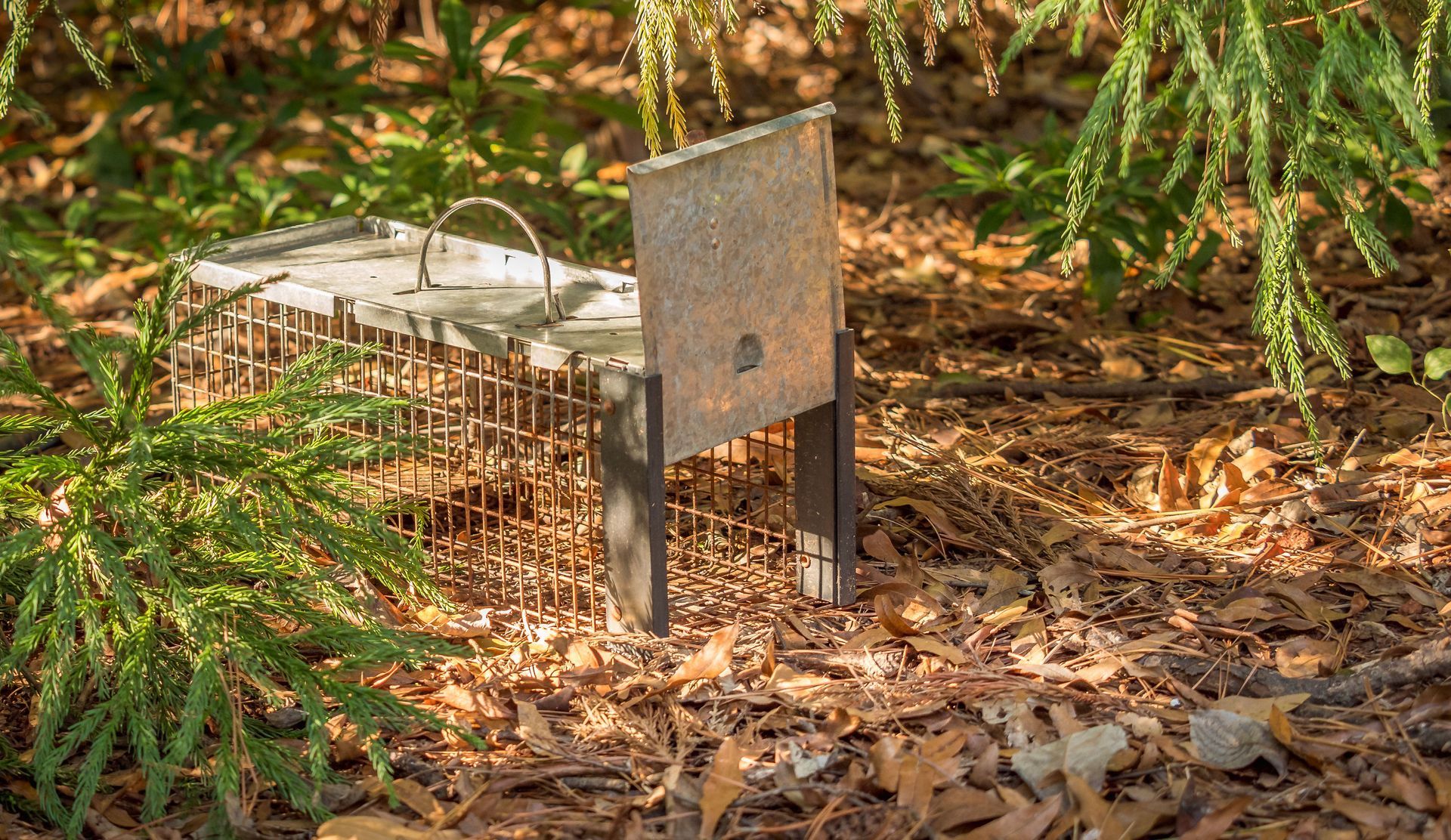
Modern wildlife traps are engineered to capture entire family groups, called sounders, all at once. This group-capture capability offers a practical approach to population management that individual removal methods cannot match. Given the prolific breeding habits of these swine, traditional hunting falls short of achieving necessary control. Trapping systems can be placed strategically to intercept regular pathways, increasing capture efficiency. Because these systems work continuously, they provide an ongoing solution rather than a temporary fix for long-term reduction.
2. Reduce Devastating Agricultural Damage
Feral swine are drawn to agricultural lands due to abundant food sources like crops, grains, and roots. Their constant rooting and foraging behaviors devastate crop fields, ruin topsoil, and compromise infrastructure, leading to financial losses for farmers. This extensive destruction is compounded because wild hogs do not merely target mature crops; they also destroy irrigation systems, tear down fences, and ruin pastures. Understanding this behavior underscores the necessity of robust management practices to mitigate their impact on farming operations.
Utilizing a strategic hog trap installation serves as a proactive defense mechanism that farmers can use to protect crops and infrastructure from wildlife threats. Traps provide consistent monitoring and capture, intercepting destructive hogs before they enter sensitive agricultural zones. This defense is vital for preventing immediate and future damage, enabling farmers to secure yields and investments efficiently. By reducing hog presence, these systems help maintain soil fertility, ensuring sustainable agriculture and a predictable farming environment.
3. Protect Fragile Local Ecosystems
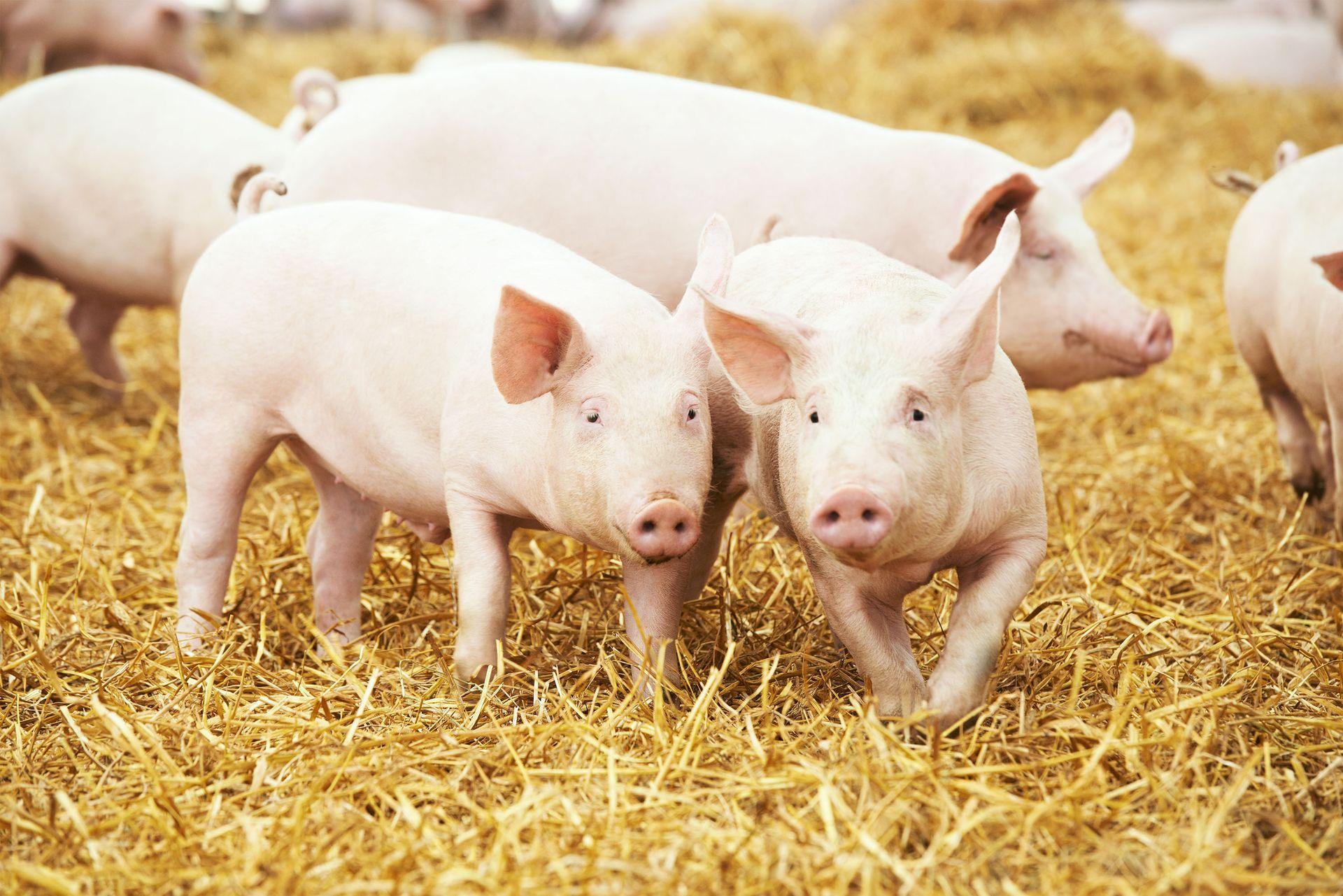
Wild hogs are classified as an invasive species, presenting unique challenges to local ecosystems by outcompeting native wildlife for resources. Their aggressive rooting and wallowing behaviors deeply disturb soil and vegetation, causing significant habitat destruction and altering delicate natural ecosystems. According to the Animal and Plant Health Inspection Service, fully grown feral swine can weigh anywhere from 75 to 250 pounds. This substantial physical size ensures that their impact on the terrain is widespread, leading to a decline in native flora.
A dedicated hog trap installation helps mitigate this ecological imbalance by systematically removing these large animals from the environment. Controlling the invasive swine population plays a vital role in conserving local wildlife by maintaining the balance necessary to support indigenous species. By reducing competitive pressure for food and habitat, property owners create a more resilient ecosystem where native animals can thrive. Through targeted trapping efforts, landowners contribute to the long-term sustainability of local ecosystems, ensuring habitats are preserved.
4. Minimize Dangerous Human Conflicts
Human encounters with wild hogs present safety risks due to the aggressive nature of these animals and their potential for causing injury. Hogs are unpredictable and tenacious, and their presence in populated areas can lead to dangerous conflicts with residents. On rural properties, wild hogs threaten livestock and pets, leading to distress and financial loss for property owners. Their massive physical bulk increases the danger they pose during collisions on dark roads, highlighting the necessity for effective management strategies.
Choosing a professional hog trap installation functions as an effective safety measure that significantly reduces the risks associated with unexpected human-hog interactions. By capturing these animals before they enter populated zones or high-use areas around the home, traps prevent dangerous encounters. This reduction in swine presence leads to increased peace of mind for property owners, knowing that the risk of aggressive encounters is minimized. A well-managed trapping program reduces vehicle and livestock damage, creating a safer environment.
5. Maximize Property Management Resources
Investing in high-quality wildlife management represents a cost-effective solution for handling swine populations compared to alternative methods. While options like exclusion fencing require substantial upfront financial investments and constant upkeep, a targeted hog trap installation offers an affordable, ongoing option. Trapping allows for flexible deployment in problematic areas without requiring extensive infrastructure changes. Property owners who implement these systems experience long-term financial savings and a higher return on investment, making it an attractive choice for landowners.
Trapping provides efficiency in resource allocation by focusing efforts on areas most impacted by destructive wildlife activity. This targeted approach ensures that management benefits are maximized, leading to effective population control and reduced waste of operational resources. Deploying traps strategically allows property owners to address problem areas without expending unnecessary effort. Through the strategic use of these modern systems, property owners allocate time and money efficiently, contributing to sustainable land management and asset protection.
6. Enhance Daily Quality of Life
Frequent wild hog activity can disturb the peace of rural settings, causing ongoing stress for nearby residents. The noise generated by foraging, rooting, and territorial behaviors disrupts tranquility, impacting sleep and reducing overall quality of life. By implementing a reliable hog trap installation, property owners can reduce swine presence and lower associated noise levels. This reduction in daily disturbance leads to a calmer, more enjoyable environment for families, meaning enhanced peace and quiet contribute directly to a better lifestyle.
Managing these swine populations preserves the visual appeal of your land, improving its overall aesthetic and functional value. This is important for agricultural property, where clean fields and intact structures contribute to actual land value. By minimizing wildlife damage, landowners protect native vegetation and seasonal crops, promoting an attractive landscape. Reduced hog activity allows property owners to safely use their land for recreational purposes, creating a positive environment for outdoor activities.
Managing invasive swine populations is essential for protecting your property from severe agricultural, ecological, and structural damage. Implementing a reliable hog trap installation provides a comprehensive defense system that safeguards your land, enhances safety, and preserves local natural habitats. Landowners can secure long-term financial savings and peace of mind by proactively addressing this growing wildlife challenge. Investing in effective trapping systems ensures your property remains beautiful, productive, and secure for years to come.
Taking the first step toward comprehensive property protection requires a trusted partner experienced in effective wildlife management techniques. We understand the unique challenges that invasive feral swine bring to your land and are dedicated to providing superior solutions tailored to your specific needs. Contact us at Hog Brothers to reclaim your property and restore total peace of mind.