August 3, 2026
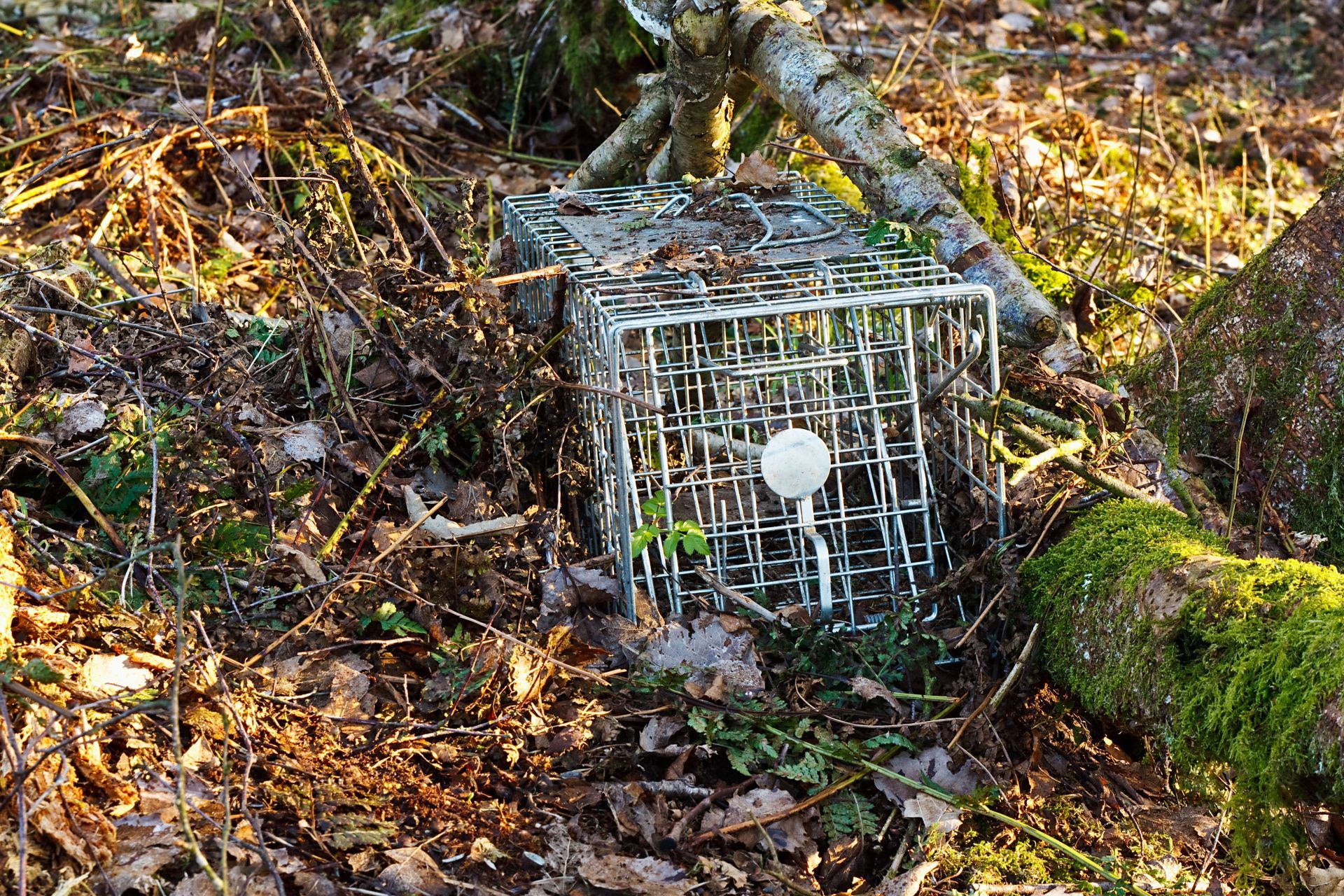
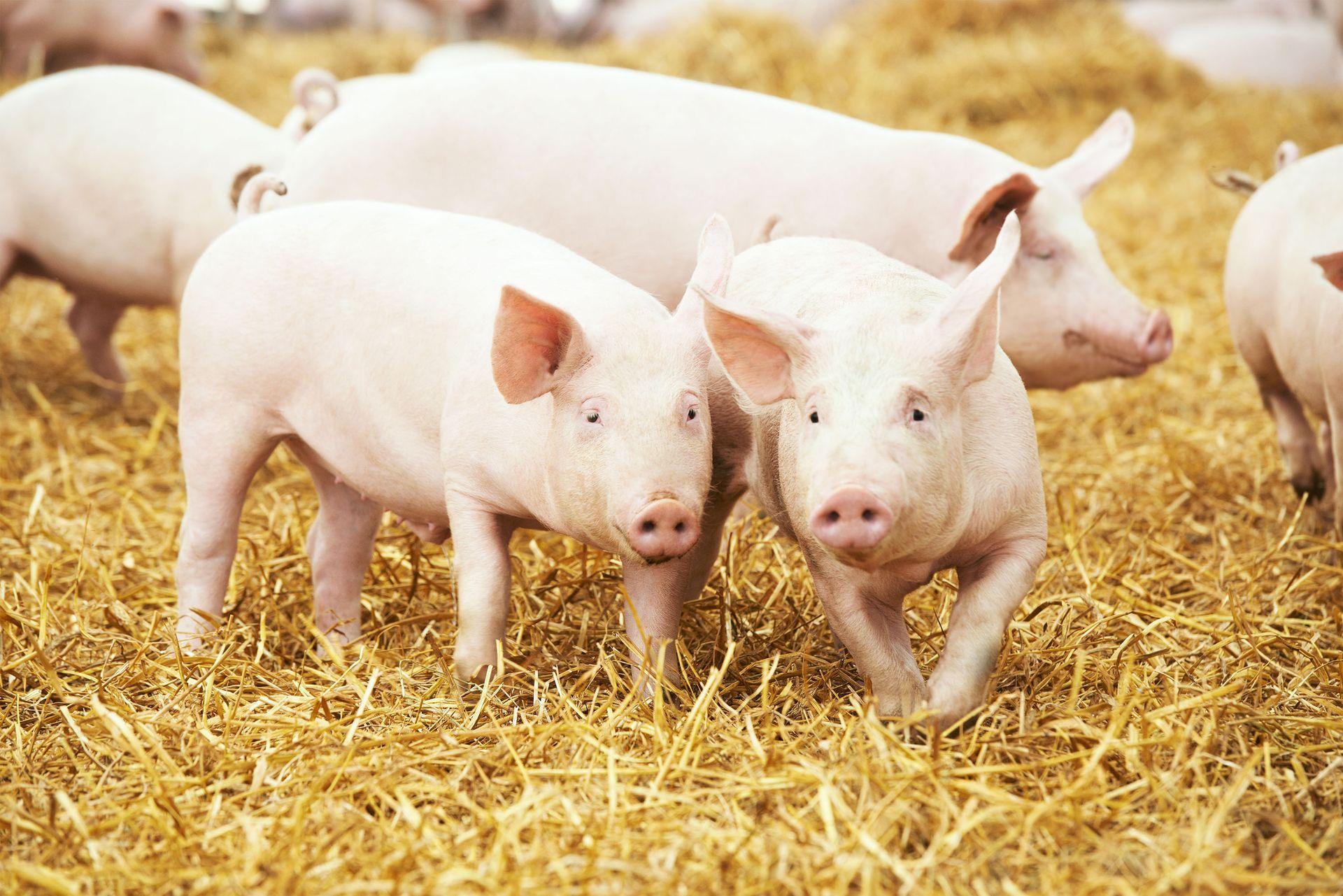
Wild hogs pose a massive environmental and agricultural threat across vast stretches of land, damaging crops, tearing up pastures, and disrupting local ecosystems. Property owners facing feral swine infestations often turn to panel traps as a reliable, cost-effective method to capture entire sounders. These circular or rectangular enclosures use rigid steel cattle panels supported by T-posts to create a sturdy temporary pen. While panel traps are exceptionally effective when deployed correctly, small mistakes during setup can easily spook intelligent feral swine and render an entire trapping operation useless. Learning how to properly configure a panel trap ensures higher capture rates, safer handling, and long-term control over wild pig populations.
Protecting farmland from destructive sounders is a critical concern for agricultural producers across the country. Managing land effectively often involves protecting valuable livestock and agricultural operations from native and invasive pests alike. According to IBISWorld, the U.S. hog and pig farming industry grew at an average annual rate of 1.7% from 2020 through 2025. As commercial farming operations expand, the surrounding land must be actively managed to prevent feral populations from carrying diseases or destroying property. Many landowners find that partnering with a professional hog trap service helps minimize costly mistakes and ensures trapping setups yield maximum results.
Selecting an Ineffective Location for the Trap
One of the most frequent mistakes made when setting up a panel trap is placing it in an inconvenient or unnatural area for the hogs. Feral swine rely heavily on dense cover, water sources, and established game trails to travel across a property. Erecting a trap in a wide-open field simply because it is easy to access with a vehicle often results in low capture success. Hogs are inherently cautious creatures, and forcing them to walk out into open daylight or clear terrain to reach bait creates unnecessary suspicion.
To avoid this pitfall, trappers should spend time scouting the property for active sign before assembling any equipment. Look for fresh wallows, rooted-up soil, tracks along creek beds, and rub marks on trees. Setting up the panel trap along an established travel corridor under overhead canopy cover makes the enclosure feel natural to the animals. A certified hog trap service often uses game cameras during the scouting phase to confirm sounder movements, group sizes, and feeding schedules before committing to a specific trap site.
Failing to Properly Condition the Sounder to the Bait
Rushing the trapping process is another major blunder that leads to failure. Landowners often assemble the trap, set the trigger mechanism on the first night, and expect immediate success. Feral swine are highly suspicious of new objects in their environment. If the gate slams shut on only one or two adventurous juveniles, the rest of the sounder will learn to avoid the structure permanently, becoming trap-shy and far more difficult to manage.
Pre-baiting is an essential phase of any successful trapping campaign. Trappers must build the trap walls, tie the trap door wide open, and scatter bait both inside and outside the enclosure for several days or weeks. Fresh corn, fermented grain, or sweet attractants should be replenished daily until the entire sounder enters the trap comfortably and feeds without hesitation. Working with an experienced hog trap service ensures that the conditioning phase is monitored continuously, allowing the operator to set the trigger only when every single member of the sounder is regularly entering the pen.
Constructing a Weak or Improperly Anchored Frame
Feral swine possess immense physical strength, and a panicked sounder will test every weak point in a panel trap once the gate drops. A common structural error is using undersized panels or failing to anchor T-posts deep enough into the soil. Standard four-foot garden fencing or light-gauge mesh will easily bend, break, or yield under the weight of several adult hogs pushing against the perimeter at once.
A durable panel trap requires five-foot-tall steel cattle panels with heavy-duty gauge wire. T-posts should be driven securely into the ground every four feet along the perimeter, and panels must overlap by at least two mesh squares to eliminate structural gaps. High-tensile wire or heavy-duty zip ties must secure the panels tightly to the posts at multiple heights. Consulting a professional hog trap service guarantees that the trap structure can withstand the extreme pressure exerted by large boars attempting to break free.
Leaving Sharp Angles and Corners in the Perimeter Design
The physical shape of a panel trap plays a massive role in animal containment and stress reduction. Beginners often construct square or rectangular traps because they are straightforward to measure and set up. However, sharp 90-degree corners create structural weak points and induce panic among trapped animals. When hogs become frightened, they naturally pile into corners, stepping on smaller pigs and using the elevated corner structure to leverage themselves up and over the top panel.
Designing a round or teardrop-shaped panel trap eliminates sharp corners. A smooth, curved wall allows trapped swine to move continuously around the perimeter without piling up or exerting concentrated force against a single corner seam. Additionally, a teardrop design naturally funnels animals toward a handling alley or loading chute if they need to be moved safely. Professional technicians from a reputable hog trap service always recommend circular configurations to maximize structural integrity and minimize injury to captured wildlife.
Selecting the Wrong Gate Mechanism or Trigger Style
The gate system is the functional heart of any panel trap, and selecting the wrong door type can lead to frustrating escapes. Root gates, continuous-catch swing gates, and heavy drop gates each serve specific purposes, but using a trigger system that fires prematurely can ruin weeks of baiting effort. Simple trip wires placed too close to the entrance often trigger when the first pig steps inside, shutting out the rest of the sounder.
Modern trapping strategies rely heavily on cellular-activated drop gates or well-placed trip lines positioned at the back of the enclosure. A trip line should be placed farthest from the entrance so that pigs must walk completely inside and settle down before the gate releases. Remote-controlled gates allow trappers to watch a live video feed on their smartphones and drop the door manually once every pig is inside. Many property owners hire a specialized hog trap service to gain access to advanced cellular trapping technology, taking the guesswork out of gate management and timing.
Neglecting Daily Maintenance and Regular Site Visits
Setting up a panel trap is not a set-it-and-forget-it endeavor. Leaving a trap unmonitored for extended periods creates severe ethical, legal, and operational issues. Bait can rot or be consumed by non-target species like raccoons, deer, or livestock, leaving nothing to attract the targeted swine. Weather events can wash away soil around T-posts, rust gate hinges, or tangle trip wires, causing the mechanism to fail at the crucial moment.
Trappers must commit to checking their traps daily, either in person or via remote camera systems. Fresh bait should be added regularly, and mechanical components must be tested to ensure the gate drops smoothly without binding. Once animals are captured, they must be handled or removed humanely and promptly according to state regulations. Enlisting a dedicated hog trap service provides property owners with reliable daily management, ensuring that traps are maintained properly and cleared quickly after a successful capture. If you're ready to protect your property and eradicate destructive wild swine with proven expertise, contact Hog Brothers today to schedule your professional trapping service.