August 3, 2026
Managing livestock health, biosecurity, and overall herd productivity represents a fundamental priority for agricultural producers, land managers, and commercial swine operators. Feral swine populations, invasive wild hogs, and unmonitored sounders present severe ecological and epidemiological hazards to domestic animals and agricultural ecosystems. Wild hogs act as active vectors for devastating infectious pathogens, transmissible diseases, and destructive parasites that rapidly compromise domestic livestock. When wild swine populations encroach upon agricultural boundaries, they introduce severe biological contamination, destroy valuable pastureland, and undermine established biosecurity protocols. Utilizing specialized hog trap services provides essential population control, protecting livestock assets, preserving environmental resources, and maintaining optimal herd health across commercial and independent farming operations.
Understanding the pervasive impact of feral swine encroachment illuminates why professional intervention is vital for modern agricultural management. According to IBISWorld, there are 22,982 businesses operating in the hog and pig farming industry in the United States. This vast network of agricultural producers relies heavily on strict health standards, biosecurity measures, and disease mitigation protocols to safeguard national livestock supply chains and economic stability. Uncontrolled wild hog activity threatens this vital industry by spreading contagious illnesses and destroying foundational infrastructure. Partnering with professional eradication specialists ensures that invasive swine populations are systematically managed, eliminating disease vectors and protecting domestic herds from costly biological outbreaks.
Mitigating Infectious Disease Transmission Among Domestic Swine
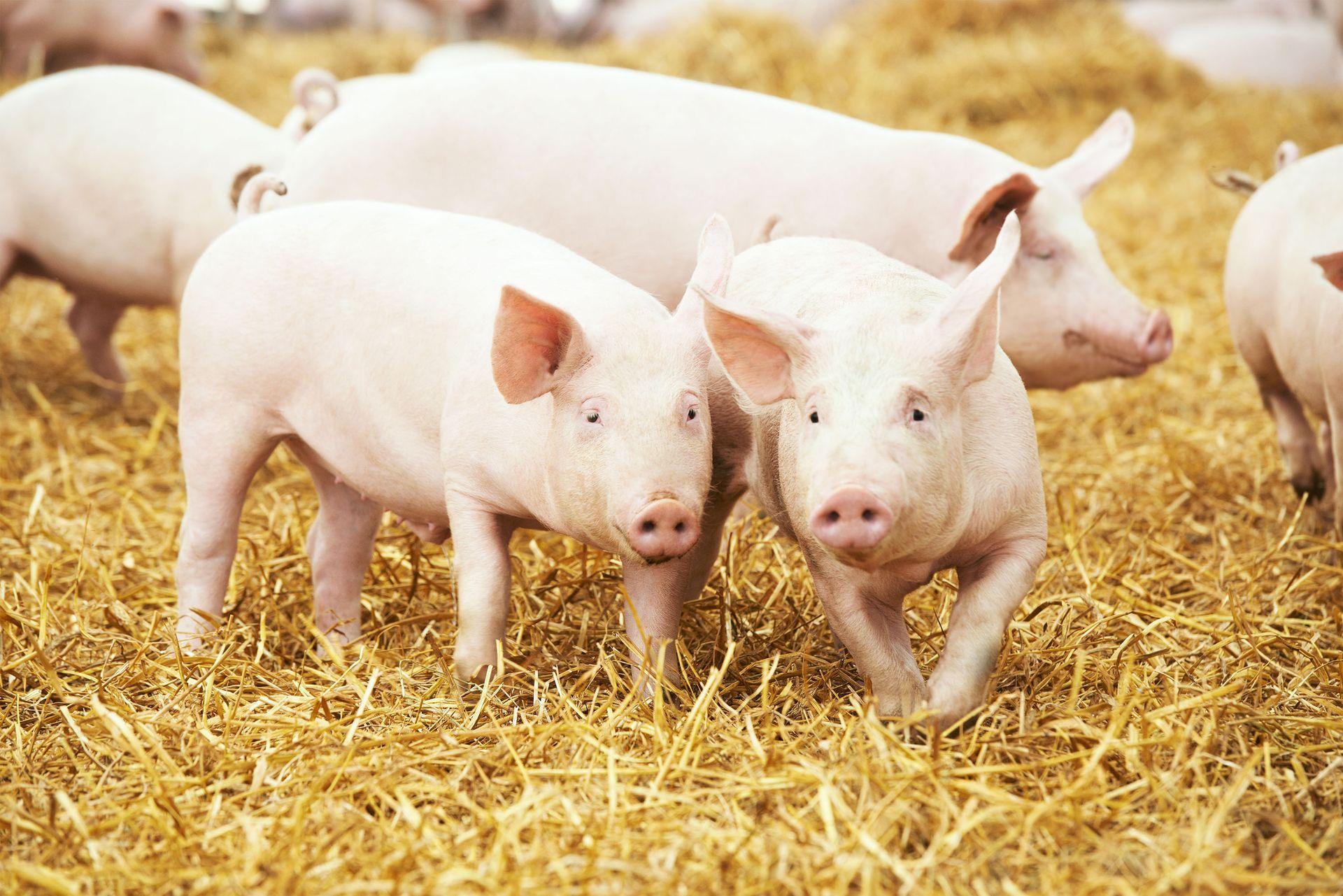
Feral swine serve as natural reservoirs for numerous severe viral and bacterial pathogens that pose catastrophic threats to domestic livestock. Diseases such as African Swine Fever, pseudorabies, swine brucellosis, foot-and-mouth disease, and porcine reproductive and respiratory syndrome propagate rapidly through contact with wild sounders. Direct physical interactions across fence lines, shared water sources, and contaminated pastureland facilitate rapid pathogen exchange between wild and domestic populations. Engaging specialized hog trap services creates an indispensable biological buffer, systematically removing wild vectors before infectious pathogens penetrate commercial containment boundaries.
Beyond direct physical contact, indirect disease transmission occurs when wild swine contaminate agricultural feed, water troughs, and soil environments with infectious bodily fluids. Contaminated soil and stagnant water supplies harbor resilient bacterial pathogens for extended periods, exposing domestic herds to continuous infection risks. Professional trapping operators utilize advanced containment strategies, remote monitoring technologies, and strategic baiting protocols to capture entire sounders efficiently. Eliminating local wild populations stops disease transmission cycles, protects livestock investments, and ensures long-term biosecurity across agricultural perimeters.
Preserving Pasture Integrity and Forage Quality
Wild hogs possess destructive rooting behaviors that devastate agricultural land, manicured pastures, and natural foraging ecosystems. Using their powerful snouts and sharp tusks, feral swine overturn topsoil in search of roots, tubers, grubs, and subterranean moisture, transforming fertile pastures into barren, rutted landscapes. Heavy rooting activity destroys established root systems, accelerates soil erosion, and promotes the proliferation of invasive weed species that reduce forage quality for grazing livestock. Preserving high-quality pastureland is vital for maintaining proper livestock nutrition and overall herd health.
Furthermore, rutted fields create severe physical hazards for domestic animals, leading to joint injuries, broken limbs, and livestock stress. Uneven terrain also damages expensive agricultural machinery, harvesting equipment, and field transport vehicles during routine operations. Utilizing professional hog trap services mitigates land degradation by removing destructive sounders before pasture damage becomes irreversible. Restoring pasture stability allows agricultural producers to maintain nutrient-rich foraging grounds, safeguard animal mobility, and promote optimal physical development across grazing herds.
Protecting Agricultural Water Resources From Contamination
Access to clean, unpolluted water is essential for maintaining livestock hydration, metabolic health, and disease resistance. Wild hogs naturally frequent riparian zones, creeks, ponds, and agricultural watering holes to wallow in mud for thermoregulation and parasite relief. Wallowing behavior severely degrades water quality, causing heavy siltation, bank erosion, and water stagnation. More critically, feral swine defecate and urinate directly within water sources, introducing dangerous bacterial pathogens such as Escherichia coli, Salmonella, and Leptospira into livestock drinking supplies.
Drinking contaminated water leads to acute gastrointestinal illnesses, systemic infections, reproductive failures, and elevated mortality rates among domestic livestock. Pathogen-laden water sources can also spread contamination throughout agricultural irrigation networks, threatening crop safety and farm biosecurity. Deploying professional hog trap services eliminates wild swine from sensitive watershed areas, protecting vital water supplies from biological degradation. Safeguarding agricultural water quality ensures that domestic animals receive clean hydration, supporting robust immune systems and consistent herd health.
Reducing Livestock Stress and Physical Injury Risks
The persistent presence of wild hogs near livestock enclosures generates chronic stress among domestic herds. Feral swine are naturally aggressive, territorial animals that frequently harass domestic livestock, challenge perimeter fencing, and disrupt peaceful grazing patterns. Constant agitation elevates stress hormone levels in domestic animals, which suppresses immune function, impairs reproductive performance, reduces milk production, and slows daily weight gain. High stress levels leave livestock increasingly vulnerable to opportunistic bacterial and viral infections.
In addition to psychological stress, physical encounters between wild boars and domestic livestock often result in violent territorial fights and severe goring injuries. Wild boars possess sharp tusks capable of inflicting deep lacerations, soft tissue damage, and fatal structural trauma on farm animals. Enlisting professional hog trap services removes aggressive wild swine from perimeter zones, restoring a calm, secure environment for domestic herds. Minimizing territorial confrontation lowers livestock stress, reduces veterinary treatment expenses, and fosters steady physiological growth.
Enhancing Biosecurity Compliance and Farm Safety
Modern agricultural standards mandate rigorous biosecurity protocols to prevent disease outbreaks and maintain commercial market access. Feral swine represent an uncontrollable biosecurity hazard, continually introducing external contaminants across secure farm perimeters. Unmonitored wild hog movements invalidate internal sanitation procedures, exposing farm personnel, feed storage units, and breeding facilities to biological contamination. Establishing comprehensive wild swine management is therefore essential for fulfilling industry biosecurity mandates and protecting commercial reputation.
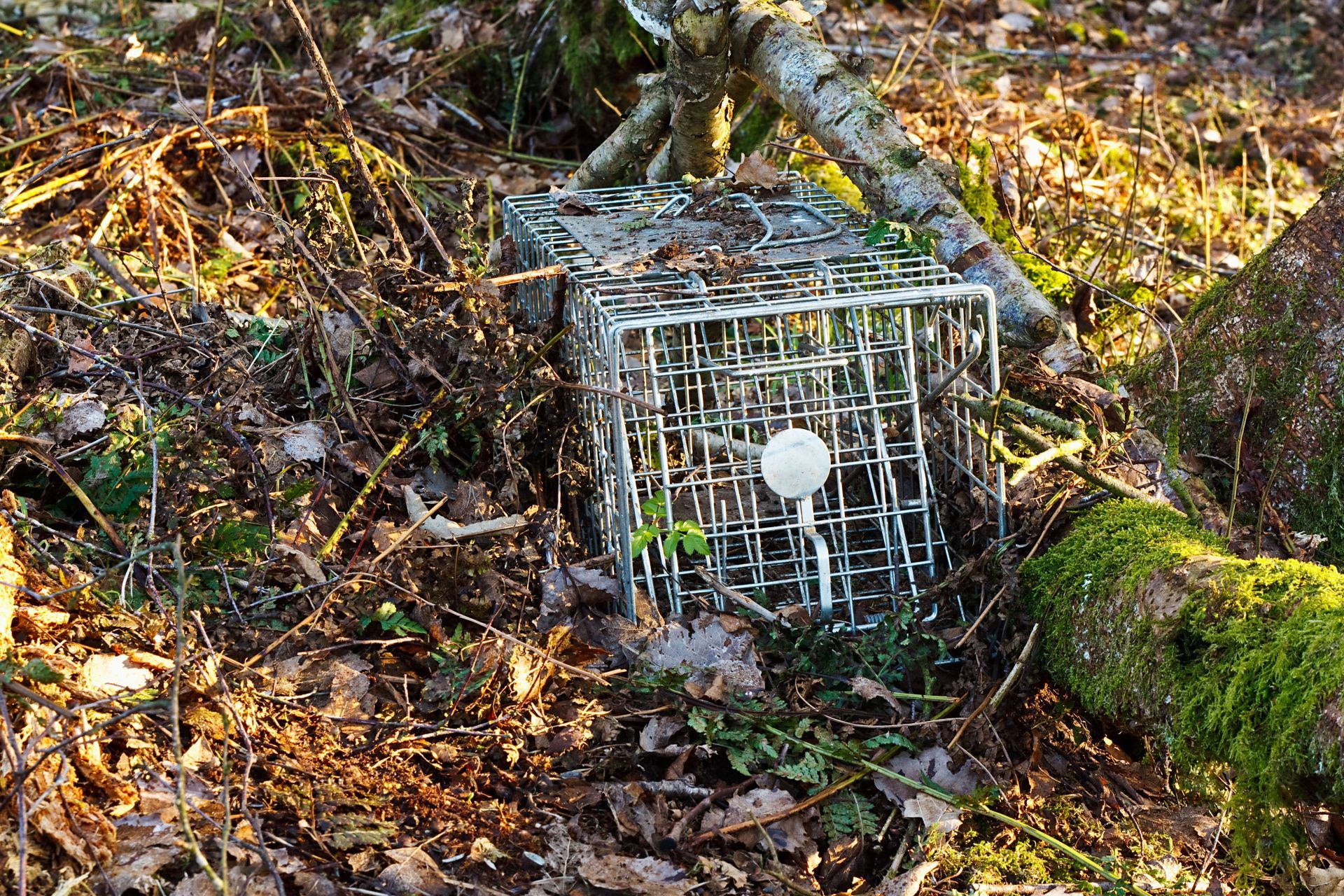
Professional trapping providers implement controlled, hygienic removal processes that adhere to strict environmental and agricultural regulations. Expert operators utilize heavy-duty trap enclosures, automated drop gates, and real-time video surveillance to capture entire sounders simultaneously without dispersing panicked animals into neighboring fields. Contracting certified hog trap services ensures systematic biological containment, reinforcing farm safety protocols and demonstrating proactive biosecurity compliance to agricultural inspectors and commercial partners.
Delivering Cost-Effective Long-Term Population Control
Attempting independent wild hog removal using informal hunting or basic shooting methods often proves counterproductive and economically inefficient. Feral swine are highly intelligent, adaptable animals that learn quickly from uncoordinated removal attempts. Sporadic hunting pressure scatters sounders into smaller, elusive groups, rendering subsequent control efforts far more difficult and accelerating reproductive rates among surviving females. Professional removal operations require strategic planning, specialized equipment, and deep understanding of wild swine behavior to achieve complete sounder elimination.
Maintaining optimal herd health requires a comprehensive agricultural strategy that addresses both internal management and external environmental threats. Feral swine encroachment poses severe risks to livestock wellness, water purity, pasture quality, and farm biosecurity. From mitigating catastrophic disease transmission and preventing land degradation to protecting water supplies and reducing livestock stress, professional eradication services deliver essential protection for modern agricultural operations. Eliminating wild swine threats safeguards biological assets, preserves land productivity, and reinforces economic stability across commercial farming enterprises.
At Hog Brothers, our team specializes in providing comprehensive, high-performance wild swine management solutions tailored to the unique operational demands of your property. We are dedicated to helping you protect livestock assets, fortify farm biosecurity, and achieve lasting environmental safety across your agricultural lands. Contact us today to discover how our expert trapping and eradication services can safeguard your herd health and preserve your agricultural investment.