November 3, 2026
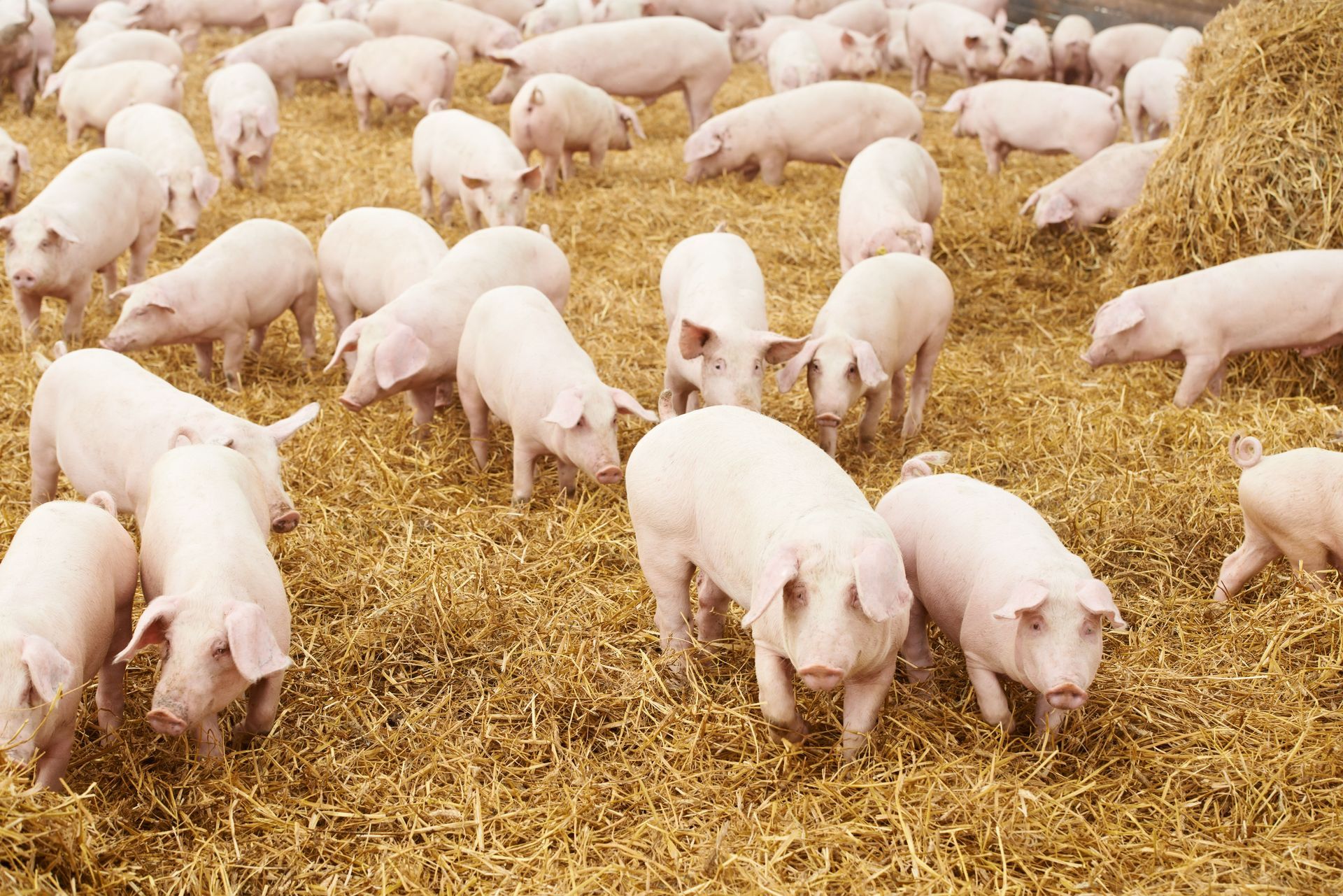
Feral swine present an increasingly destructive challenge for property owners across rural and suburban landscapes alike. Finding a dependable hog trap service can make the difference between sustained agricultural losses and the peaceful preservation of valuable land. When you choose to partner with experienced professionals, you gain access to humane methodologies, advanced gear, and tailored eradication strategies designed for long-term population suppression.
Assess the Scope of Property Damage and Risk
Invasive wild swine systematically tear up pastures, destroy delicate root systems, and contaminate natural water resources vital for livestock. According to the USDA, feral swine are found in at least over 30 states across the nation. Landowners facing this ongoing menace quickly discover that amateur removal methods rarely resolve the underlying crisis. A dedicated hog trap service evaluates the physical evidence on your acreage to gauge the size of resident sounders before deploying heavy hardware.
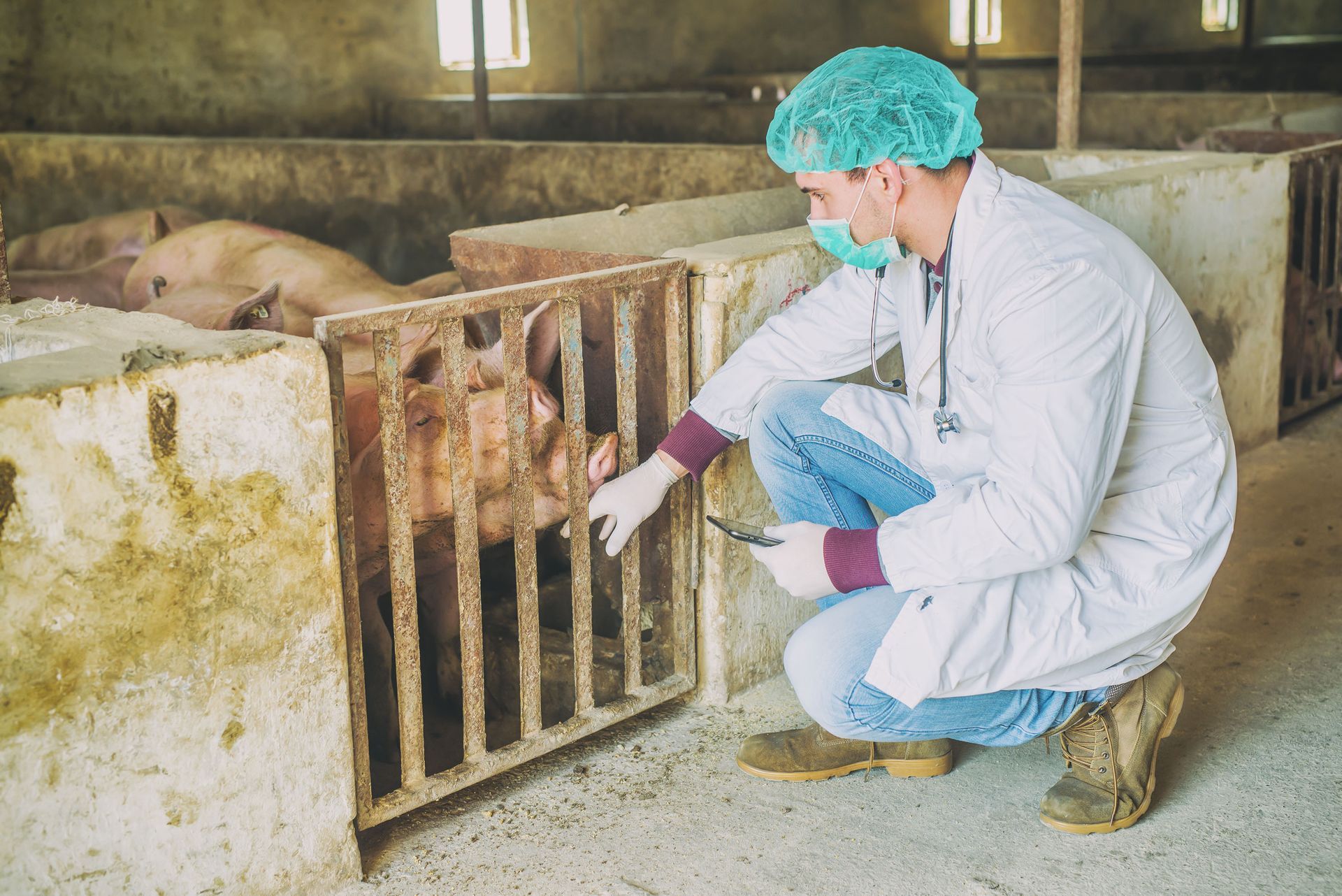
In addition to devastating seasonal crops, wild pigs harbor dangerous pathogens that present health hazards to native wildlife, domestic livestock, and pets. Their deep rooting behavior weakens infrastructure, undermines fencing, and creates hazardous craters across working pastures and open fields. By consulting qualified professionals early, landowners can prevent minor damage from escalating into thousands of dollars in restoration costs. Experienced teams examine wallows, rub marks, and travel corridors to construct a complete profile of the intruder sounder.
Review Modern Equipment and Humane Capture Techniques
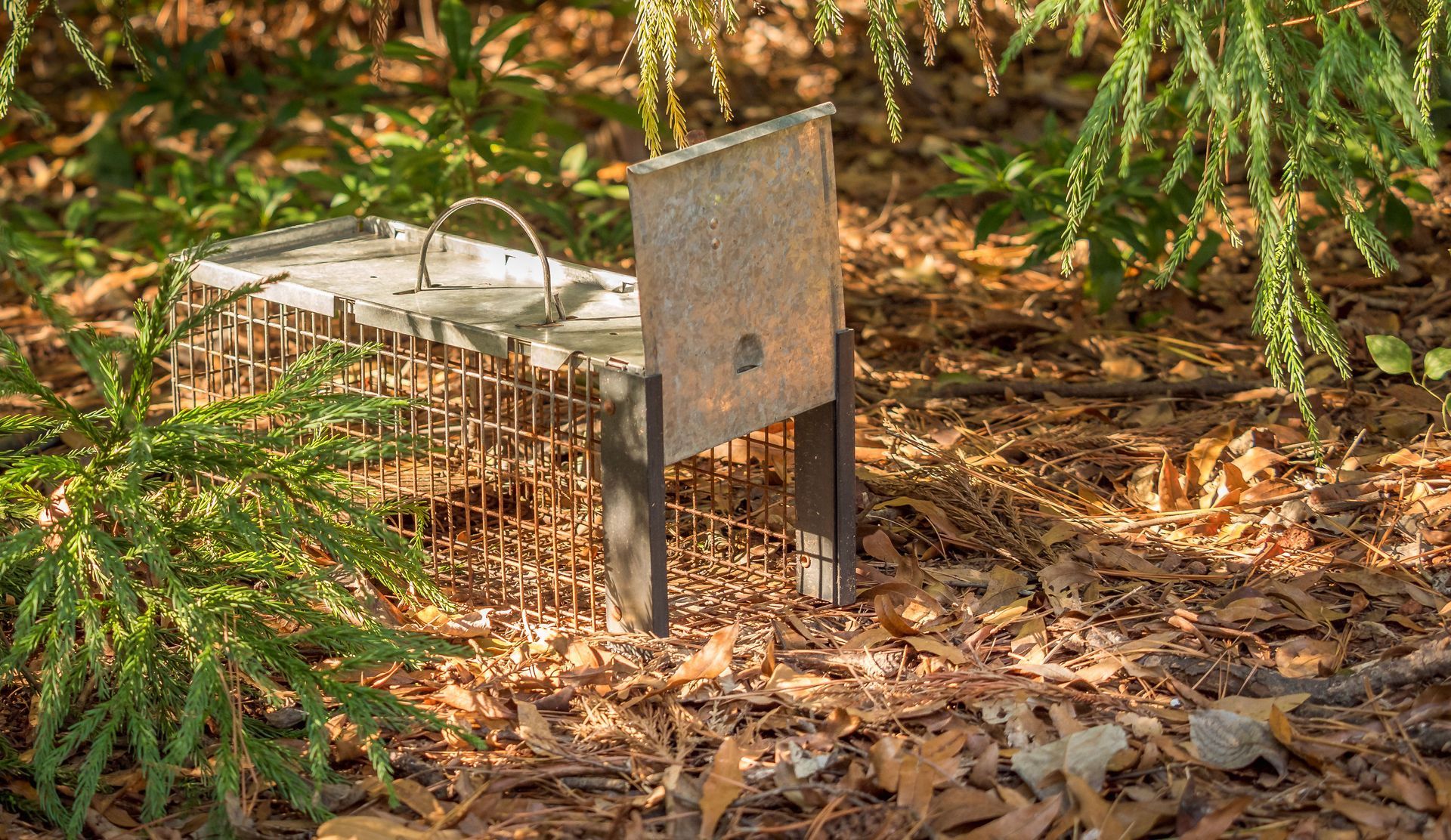
Modern eradication strategies rely heavily on robust cellular corral enclosures rather than basic individual box traps. High-caliber operations set up continuous monitoring cameras that stream live video footage directly to the operator's smartphone. This technology guarantees that the entire sounder enters the enclosure before anyone triggers the remote drop gate. Utilizing an advanced hog trap service ensures that trap-shy mature sows and cautious boars are captured alongside younger pigs to prevent educated survivors.
Corral enclosures are fabricated from heavy-gauge steel panels capable of withstanding violent impacts from panicked mature hogs. Trappers use heavy T-posts driven deep into the soil to anchor the perimeter walls securely. Furthermore, operators integrate specialized drop nets or suspension corrals when facing heavily wooded tracts or uneven ground. These tailored equipment configurations protect both surrounding vegetation and captured animals from unnecessary physical trauma during processing.
Understand the Initial Site Survey and Baiting Routine
A successful trapping campaign never begins with an immediate gate closure on the first evening. Technicians begin by identifying high-traffic staging areas where wild hogs feel secure feeding under the cover of darkness. They establish reliable feeding stations using whole kernel corn, sour grain, or sweet attractants while keeping trap doors locked open. Choosing a methodical hog trap service guarantees that the animals establish a predictable routine before capture mechanisms are activated.
During this pre-baiting phase, specialists monitor trail cameras around the clock to count individual animals within the sounder. They study the feeding sequence to verify that cautious matriarch matriarchs enter the feeding circle without hesitation. If pigs detect human scent or suspicious structural changes too quickly, they will abandon the zone and relocate to neighboring properties. Skilled operators therefore take precautions to mask human scent and introduce corral components incrementally.
Navigate Wildlife Regulations and Legal Compliance
Navigating state wildlife statutes requires careful attention to regional laws concerning wild game capture and transport. State wildlife agencies maintain strict codes outlining permit requirements, live transportation limits, and mandatory dispatch protocols. Enlisting an accredited hog trap service removes legal ambiguity because certified technicians operate strictly within established municipal and federal conservation guidelines. This structured compliance shields landowners from expensive citations or inadvertent violations during eradication operations.
Many jurisdictions classify feral swine as prohibited invasive pests, barring individuals from relocating live animals across county lines without agricultural clearance. Trapping professionals maintain valid documentation and work alongside regional game wardens to verify proper disposal. They also execute required paperwork when operating near protected wetlands or endangered wildlife reserves. Ethical trappers prioritize transparent record-keeping so property owners possess formal documentation of all wildlife management measures.
Safeguard Non-Target Wildlife in Affected Areas
Responsible conservation practices demand that non-target wildlife remain completely safe throughout every phase of the removal program. Open bait stations naturally attract deer, raccoons, wild turkeys, and livestock alongside destructive sounders. An ethical hog trap service uses real-time video surveillance to verify that every non-target creature exits the enclosure prior to dropping the gate. This rigorous standard of care prevents the accidental capture or harm of native species sharing the woodland habitat.Furthermore, implementing education programs to inform the public about the importance of conservation efforts can strengthen community understanding and support.
Operators also design trap openings and bait placement to discourage non-target entries during peak feeding windows. Remote gate triggers allow technicians to wait patiently until cattle or native animals wander away from the bait zone. Should a native animal accidentally enter an open enclosure during pre-baiting, the absence of automated mechanical tripwires guarantees it can walk away completely unharmed. This technological precision represents a dramatic ethical upgrade over antiquated, unmonitored snares or drop pens.These measures ensure the well-being of wildlife while simultaneously achieving targeted invasive species control.
Track Measurable Metrics and Post-Removal Eradication
Eradication efforts require consistent documentation to determine whether complete removal has occurred or whether isolated animals remain. Reputable providers generate comprehensive reports detailing total hogs captured, approximate sounder sizes, and estimated population declines. Relying on an accountable hog trap service gives clients quantifiable metrics that validate the return on their financial investment. Continuous surveillance post-capture verifies whether secondary sounders are attempting to colonize the newly vacant territory. Additionally, integrating advanced analytical tools can help track long-term ecological impacts and recovery of the habitat.
Following the initial removal event, technicians inspect boundaries for fresh wallows, tracks, or fence breaches indicating newly arriving invaders. They maintain perimeter game cameras across historical travel routes to detect early activity before fresh sounders establish permanent bedding areas. Technicians often share actionable land management tips, such as modifying feeding stations or clearing dense brush, to reduce property appeal. This vigilant posture protects your investment and ensures neighboring populations do not reinfest restored pastures.
Evaluate Long-Term Financial Value and Land Health
Ignoring feral pig activity quickly results in compounded financial losses that far exceed the price of commercial trapping contracts. Rooted turf damages expensive agricultural mowing machinery, breaks tractor axles, and destroys costly underground irrigation infrastructure. Engaging a reliable hog trap service halts destructive cycles immediately, safeguarding livestock forage and preserving natural soil composition. Over several seasons, the savings achieved through reduced property repairs fully justify the cost of professional intervention.
Unchecked hog populations also decimate native biodiversity by consuming ground-nesting bird eggs, destroying delicate saplings, and accelerating soil erosion along streams. Over time, heavy rooting washes topsoil into waterways, choking aquatic habitats and creating stagnant breeding grounds for nuisance insects. Eliminating destructive sounders allows natural grasses, young timber, and native wildlife to reclaim balance across the local watershed. Restored pastures yield better forage for livestock, increasing the overall carrying capacity and market value of rural acreage.
Taking decisive action against invasive feral swine protects your acreage, safeguards livestock, and restores natural environmental balance. Landowners deserve effective solutions backed by humane techniques, modern remote-drop corrals, and experienced wildlife specialists. If destructive hogs are damaging your land, contact Hog Brothers today to schedule a thorough on-site property evaluation.