February 2, 2026
Feral hogs, known for their destructive nature, pose significant risks to both agriculture and ecosystems. The urgency for effective management solutions becomes apparent with the complexities and challenges posed by these invasive species. Therefore, adopting quality hog trap services emerges as a vital strategy to mitigate the impact of feral hogs on various fronts.
The Feral Hog Problem
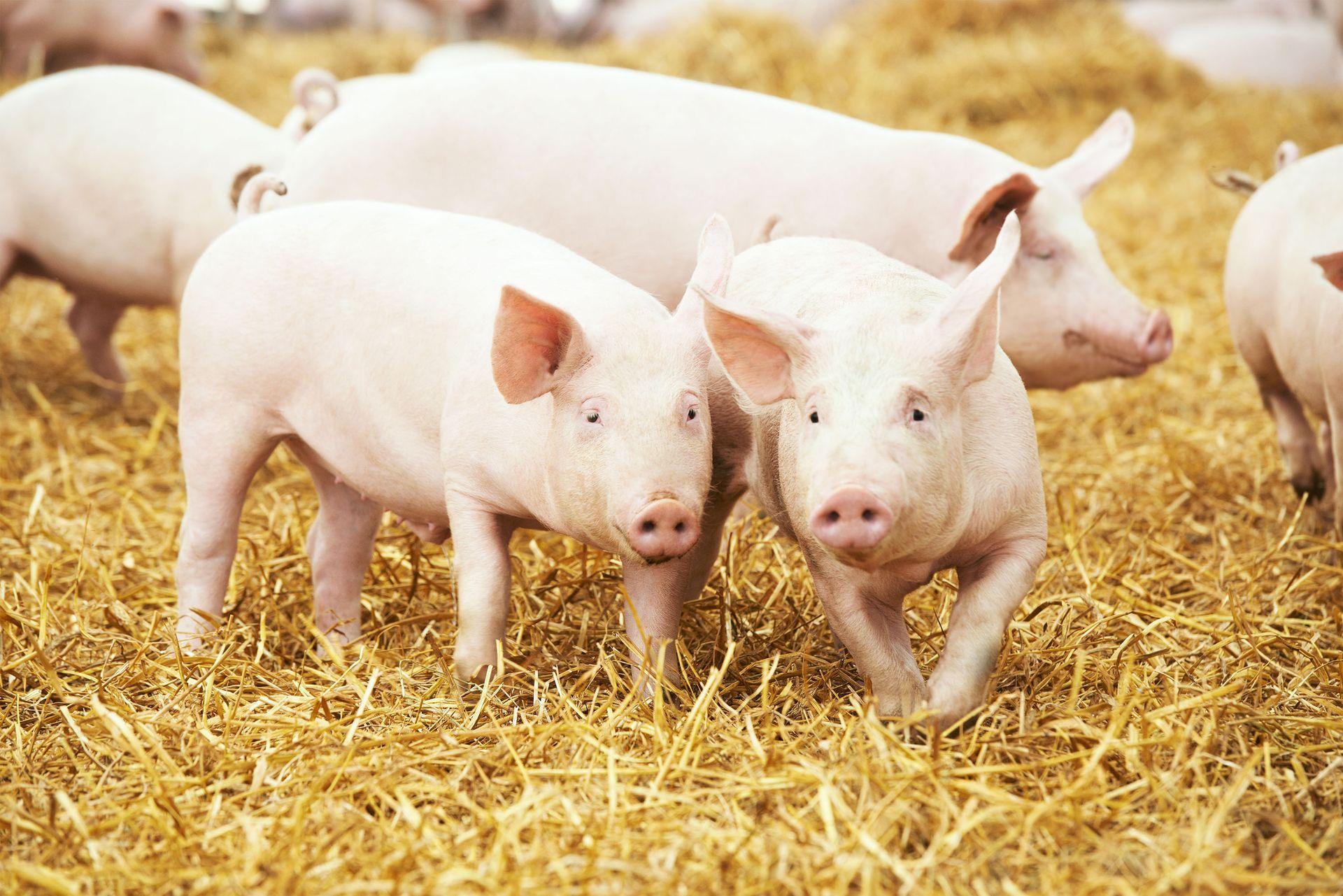
Feral hog populations have been on the rise across the United States, creating a substantial challenge for wildlife management. These highly adaptable animals have expanded their range. According to Market Intel, feral hogs have been found in more than 35 U.S. states. Various factors, such as habitat availability and lack of natural predators, contribute to their increasing numbers. Their prolific breeding nature, with sows capable of birthing multiple litters per year, further exacerbates the situation. This rapid population growth demands immediate and effective control measures to prevent further ecological and economic damage.
The adverse impact of feral hogs on agriculture is significant, with these animals wreaking havoc on crops and pasture lands. Their rooting and foraging behaviors cause soil erosion, degrade land, and destroy native plant species. In the ecological context, feral hogs outcompete native wildlife for resources and pose threats to endangered species. The destruction of habitats and water quality degradation are further consequences of their activities. Thus, managing their populations is essential to preserving both agricultural productivity and environmental integrity.
Beyond ecological and agricultural impacts, feral hogs also pose public safety concerns. They are known carriers of diseases that can be transmitted to humans and domestic animals, including swine brucellosis and pseudorabies. Moreover, feral hogs can be aggressive, especially when threatened, potentially leading to dangerous encounters with people. The risk of vehicle collisions with these sizable animals also poses a serious threat to road safety. Addressing these safety concerns is crucial in developing a comprehensive feral hog management strategy.
Why Traditional Methods Fall Short
While hunting and shooting have been popular methods of controlling feral hog populations, they are often insufficient on their own. The elusive nature of feral hogs makes it challenging for hunters to significantly reduce their numbers. Additionally, recreational hunting cannot keep pace with the rapid reproduction rates of these animals. Furthermore, hunting may cause hogs to scatter, complicating efforts to apply more comprehensive management strategies. Effective population control requires approaches beyond mere hunting to ensure long-term success.
Scare tactics, such as lights and noises, are often implemented in attempts to deter feral hogs from certain areas. However, these clever animals quickly habituate to such deterrents, rendering them ineffective over time. Feral hogs' intelligence enables them to adapt rapidly to changes in their environment, challenging simple deterrence measures. Thus, while scare tactics may provide momentary relief, they do not offer a viable long-term solution to the problem. Effective management requires more sustained and strategic approaches to deter hog activity.
Poisoning as a control method raises significant concerns regarding environmental impacts and ethical considerations. The indiscriminate nature of poison poses risks to non-target species, including pets and protected wildlife. Additionally, poisoned carcasses can contaminate soil and water sources, causing broader ecological harm. Regulatory restrictions and ethical issues surrounding animal welfare further complicate the use of poison. Consequently, the emphasis on more responsible and humane management strategies becomes paramount.
Benefits of Quality Hog Trap Services
Quality hog trap services offer a comprehensive approach to managing feral hog populations effectively. Their methodology involves the strategic placement of traps in high-activity areas to maximize capture rates. Professional trappers employ techniques that consider hog behavior, migration patterns, and habitat conditions. Additionally, their services often include continuous monitoring and assessment to adapt strategies to changing conditions. This comprehensive approach ensures a more sustained and effective reduction in hog populations over time.
These services prioritize humane and ethical methods in managing feral hog populations. Trapping is done using designs that minimize stress and injury to the animals, aligning with standards for humane capture. Furthermore, captured hogs can be relocated or humanely euthanized, following ethical guidelines to reduce suffering. Such practices ensure that hog management respects animal welfare while effectively controlling population growth. Ethical approaches also promote public acceptance and support for control measures.
Quality hog trap services provide a cost-effective solution to long-term feral hog management. Though initial investments in trapping services and equipment may seem significant, the long-term benefits outweigh the costs. Reduced agricultural damage, lower public health risks, and decreased environmental degradation result in substantial economic savings. Moreover, the prevention of hog-related incidents contributes to decreased public expenditure on repairs and healthcare. By addressing the issue proactively, these services facilitate more sustainable economic management.
Key Features of Effective Hog Traps
Effective hog traps are constructed with materials that ensure durability and withstand the strength of feral hogs. Heavy-duty steel or reinforced metal is often used to prevent breakage and ensure longevity. Additionally, the design ensures stability, preventing hogs from tipping or damaging the trap. Rust-resistant coatings and weatherproofing further enhance durability in various environmental conditions. These features extend the lifespan of traps, supporting sustained hog management efforts.
The design and size of traps are crucial in capturing feral hogs successfully. Large, circular designs are favored as they prevent hogs from cornering themselves and encourage entry into the trap. Proper spacing of bars and entrance points ensures hogs' safe and efficient capture without escape routes. Flexible designs accommodate group trapping, capturing multiple individuals in a single activation. The adaptability in design ensures maximum efficiency in different trapping scenarios.
Innovative traps incorporate remote monitoring and automation technologies to enhance effectiveness and management efficiency. These systems enable real-time updates on trap activity and status, aiding in timely interventions. Automation allows for precise control over trap activation, reducing human error and improving capture success rates. Remote capabilities minimize disturbance to the area, preventing hogs from becoming wary of visible human presence. Such technological advancements facilitate more effective and less labor-intensive hog trapping operations.
Hog Trap Service Providers
Choosing the right hog trap services begins with assessing their experience and expertise in wildlife management. Providers with a long track record in hog control demonstrate their ability to adapt to the challenges of managing invasive species. Expertise in understanding hog behavior and effective trapping techniques is crucial in achieving successful outcomes. Additionally, the ability to stay informed about regulatory changes and new technologies ensures service reliability. Clients must evaluate the provider's history and qualifications to ensure effective and compliant management solutions.
Prospective clients should evaluate a provider's technology and innovative approaches when selecting hog trap services. Cutting-edge technologies, such as remote monitoring and real-time data analytics, enhance trapping efficiency and adaptability. Providers that integrate state-of-the-art systems in trap designs demonstrate a commitment to offering advanced solutions. Clients should inquire about the provider's investment in research and development to ensure continued innovation. Collaboration with tech partners can further enhance service effectiveness through technological advancements.
Reviewing case studies and testimonials offers valuable insights into a service provider's effectiveness and client satisfaction. Case studies provide specific examples of successful hog management efforts, illustrating the provider's capabilities and outcomes. Testimonials from clients offer firsthand feedback on service quality, professionalism, and reliability. Prospective clients should seek comprehensive reviews that highlight both strengths and lessons learned from past projects. Satisfied client references and successful case studies are indicators of a provider's competence and reputation.
Effective feral hog management requires a comprehensive approach that combines professional trapping services with community and government partnerships. Innovative strategies, advanced technologies, and ethical considerations collectively shape successful population control efforts. For professional hog trapping services you can count on, contact Hog Brothers today.