January 30, 2026
This article highlights essential measures for the responsible and effective use of feral hog traps. Feral hogs can inflict extensive damage on the environment and agricultural lands, making trapping a practical solution for population control. Working with a professional hog trap company ensures that traps are set and monitored safely, maximizing both efficiency and ethical practices. Following proper guidelines helps protect property, wildlife, and the surrounding community while effectively managing feral hog populations.
Understanding Feral Hog Behavior
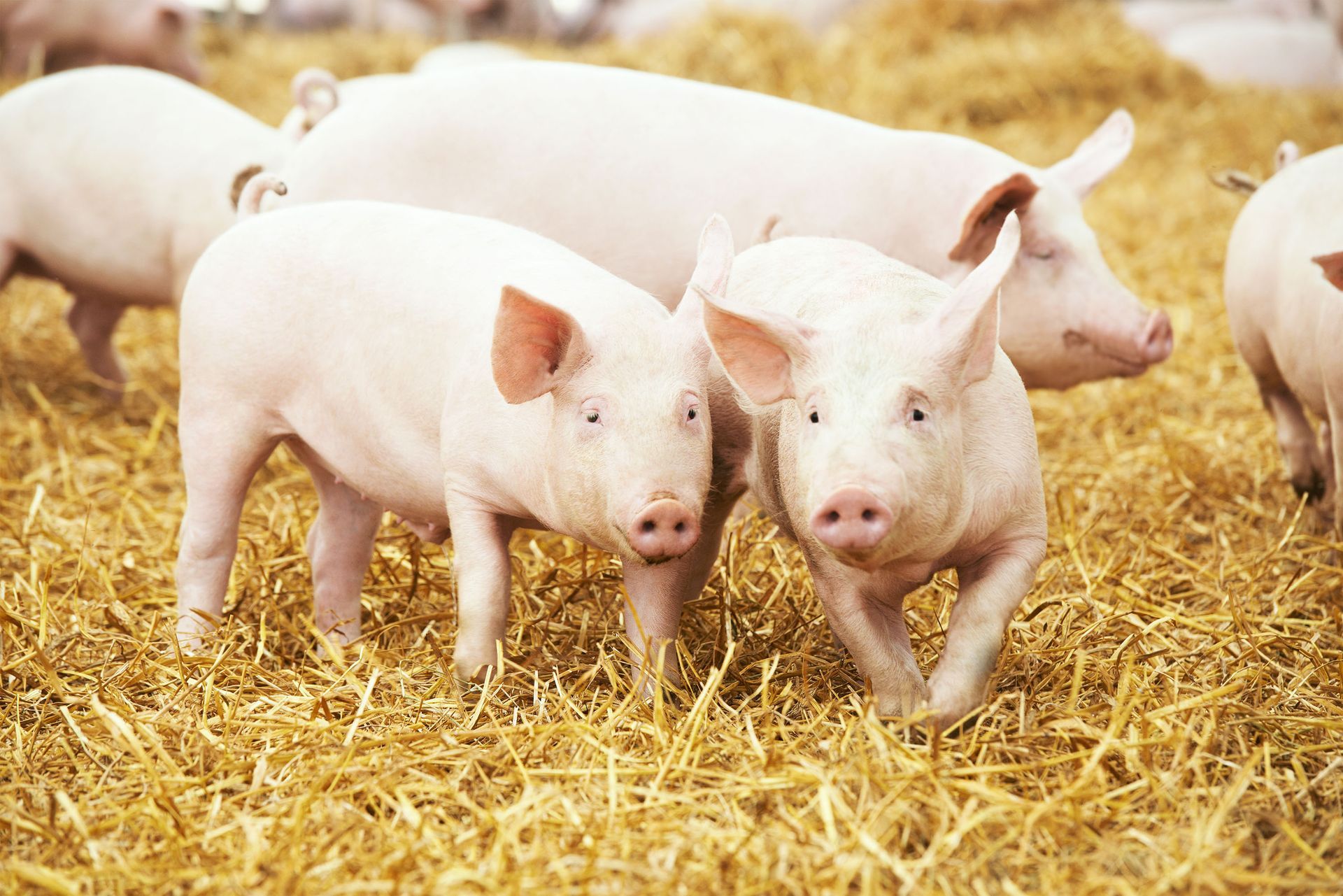
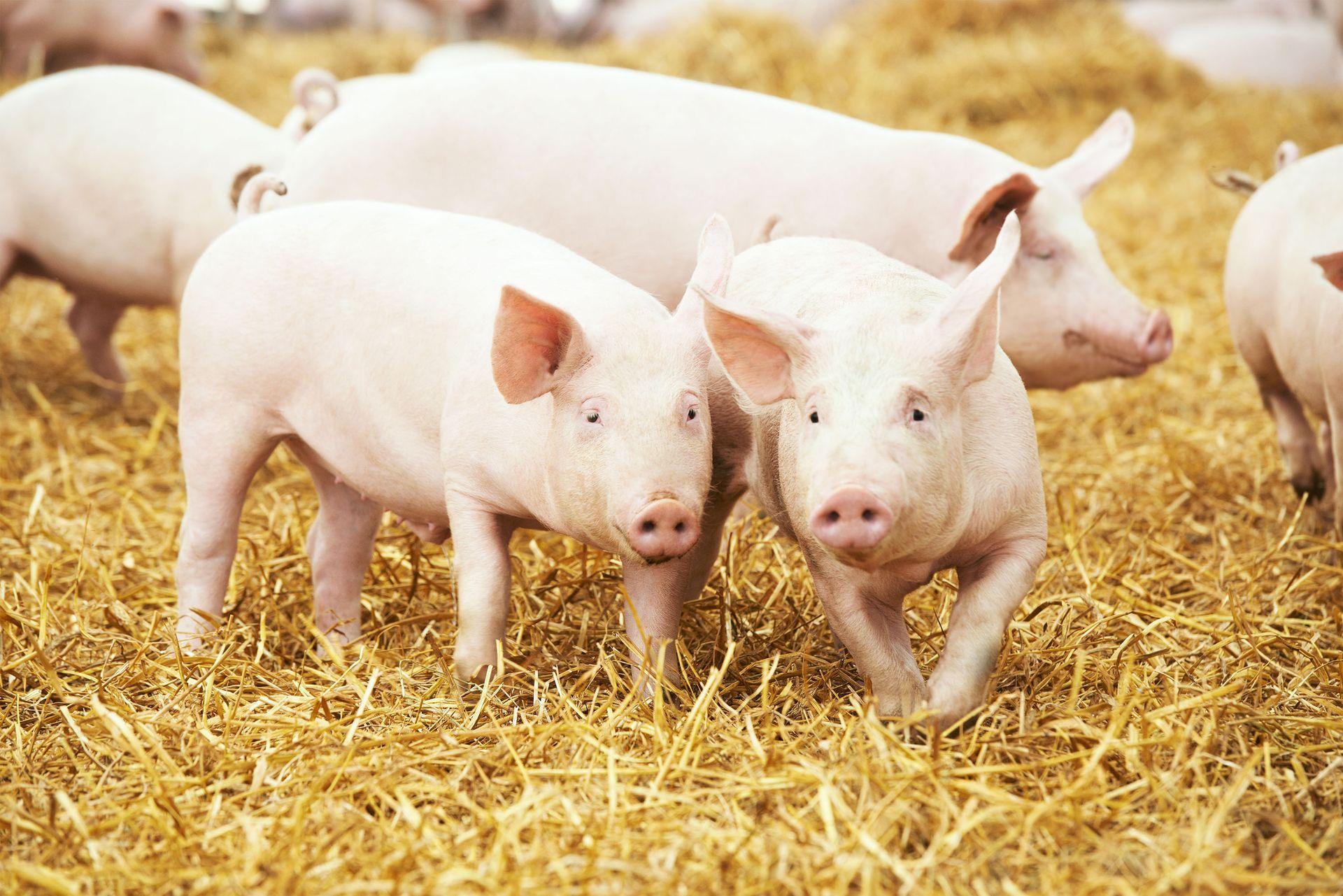
Understanding the physical and behavioral traits of feral hogs is essential for successful trapping. These animals are highly social and intelligent, allowing them to quickly adapt to changes in their environment. Partnering with a professional hog trap company can help ensure traps are designed and placed to account for these traits, improving capture effectiveness. By recognizing their color patterns and adaptability, you can strategically target areas where feral hogs are most likely to frequent.
Hog behavior varies significantly with seasonal changes, influencing their movement and trapping success. During cooler months, hogs exhibit increased activity during daylight, making this an optimal period for setting traps. In contrast, the warmer months often see them become more nocturnal, requiring different trapping strategies. Understanding these patterns enables trappers to design and adjust trapping plans seasonally, ensuring higher success rates. Trappers who accommodate these behavioral shifts can secure more effective results with their traps.
Feral hogs have diverse and opportunistic dietary preferences that can be leveraged for trapping purposes. They feed on roots, tubers, insects, small mammals, and even agricultural crops, contributing to their damaging nature. According to the Texas Association of Counties, there are over 3 million wild pigs in Texas, and they cause over $500 million in damages each year due to their feeding habits. By using bait that mimics these dietary preferences, trappers have a higher chance of successful captures.
Choosing the Right Trap
Various trap types exist, each with advantages suited to specific scenarios and conditions. Corral traps are large, fence-like structures that can capture entire sounders at once, ideal for large-scale operations. Box traps, although smaller, are portable and easier to conceal, beneficial for inconspicuous placements near urban areas. Cage traps, with their sturdy frameworks, are excellent for remote areas with rugged terrains. Understanding the strengths and limitations of each trap type allows trappers to select tools that align with their specific goals and environmental conditions.
When selecting a trap, its size and capacity must be carefully matched to the local hog population and typical group sizes. Large sounders require traps that can hold multiple hogs at once to prevent escapes and ensure effective capture. Working with a professional hog trap company can help determine the proper trap dimensions based on local population data and sounder behavior. Choosing a trap with the right capacity ensures that trapping efforts are efficient, productive, and contribute meaningfully to population control.
Materials used in trap construction must withstand hog activity and environmental conditions to ensure longevity. Metal and high-strength plastics often provide the durability needed to endure hog aggression and adverse weather. Trappers should prioritize rust-resistant materials for longevity in areas with high humidity or frequent rainfall. Additionally, constructing traps with reinforced joints and weather-resistant coatings extends equipment lifespan and reliability. Investing in high-quality materials minimizes long-term costs associated with equipment failures and replacements.
Selecting a Site for Trap Placement
Selecting the right location for trap placement depends on identifying areas with high hog activity. Observing signs such as tracks, wallows, and scat helps pinpoint the paths and habitats hogs frequent most. A professional hog trap company can provide expertise in analyzing these patterns and choosing optimal baiting and trapping sites, including feeding areas, watering holes, and travel corridors. Regular site assessments and activity mapping ensure traps remain effective over time, maximizing capture success.
The use of remote monitoring technology, such as trail cameras, provides critical insight into hog behavior around trap sites. Setting up cameras allows for 24/7 observation without constant human presence, minimizing disturbances. Footage captures tendencies and behavioral changes, guiding trappers to adjust strategies for better alignment with hog patterns. Additionally, these tools aid in evaluating trap success and identifying modification needs, improving future efforts. Investing in remote monitoring not only streamlines trapping processes but also increases long-term success rates.
When choosing trap sites, environmental factors such as terrain, vegetation, and weather play pivotal roles in trapping outcomes. Dense cover can provide hogs shelter, but traps should be visible and accessible enough to not hinder hog entry. Weather conditions, such as prevailing winds, can influence scent dispersal and affect bait effectiveness. Trappers must carefully integrate these elements, balancing accessibility with habitat use for optimal results.
Baiting Strategies
Selecting the right bait is essential for successful hog trapping, as it draws hogs into the trap area effectively. Baits should reflect the natural preferences of feral hogs, including fruits, grains, and other foods they are most likely to seek. Working with a professional hog trap company can provide guidance on the best bait choices and placement strategies based on local hog behavior. Using a variety of baits helps prevent habituation and keeps hogs consistently interested in the trap. Observations and camera monitoring can further refine bait strategies, ensuring the highest likelihood of successful captures.
Bait deployment techniques can significantly influence trapping success when done thoughtfully and strategically. Linear bait placement, leading hogs naturally into traps, uses their movement patterns for improved results. Spreading bait in smaller quantities ensures that hogs remain interested long enough to complete trap activation procedures. Experimenting with bait height and placement variations allows for targeted captures and helps avoid bait raiders.
Bait stations serve as strategic lures, drawing hogs consistently towards trap locations. Establishing stations involves setting non-threatening bait zones to build feeding familiarity, encouraging repeat visits. Carefully monitoring these locations ensures adjustments matching hog behaviors and shifting interests are quickly implemented. Consistency in feeding stations builds trust and reduces apprehension among hog populations, enhancing trap success.
Making Post-Capture Evaluations and Adjustments
Post-capture evaluations provide insights into the effectiveness and efficiency of trapping efforts. Analyzing capture data, such as capture rates, hog demographics, and trap performance, informs necessary adjustments. Continuous review of trapping processes ensures strategies remain current and impactful. Feedback from evaluations guides future developments, ensuring ongoing success in hog management initiatives.
Regular maintenance is essential to keep trapping equipment functional and effective. Inspections for wear and tear, along with prompt repairs, help extend the lifespan and reliability of traps. Partnering with a professional hog trap company ensures that equipment is properly maintained and any necessary adjustments are made efficiently. Adapting traps based on hog behavior, environmental conditions, and performance observations further maximizes capture success.
Accurate documentation of trapping outcomes aligns with both legal requirements and conservation goals. Recording capture data, including hog characteristics and environmental conditions, aids ongoing research and evaluations. Transparent reporting to authorities and stakeholders fosters collaboration and support within the community. Adhering to structured reporting ensures accountability and aligns with regulated wildlife management practices.
Implementing the right measures when using a feral hog trap is essential for both efficiency and responsible management. Working with a professional hog trap company can help ensure traps are selected, placed, and baited correctly while following all legal and ethical guidelines. By combining expert guidance with careful monitoring and post-capture evaluation, trappers can improve effectiveness while protecting the environment and supporting agricultural conservation.