February 27, 2026
The impact of wild hogs on agriculture is a pressing concern, with damages reaching into the billions annually. Modern hog traps offer a promising solution, utilizing advanced technologies and strategic implementations to mitigate these challenges. This article explores the multifaceted benefits and applications of these modern trapping systems in safeguarding agricultural interests and rural livelihoods.
Evaluating the Economic Impact of Wild Hog Infestation
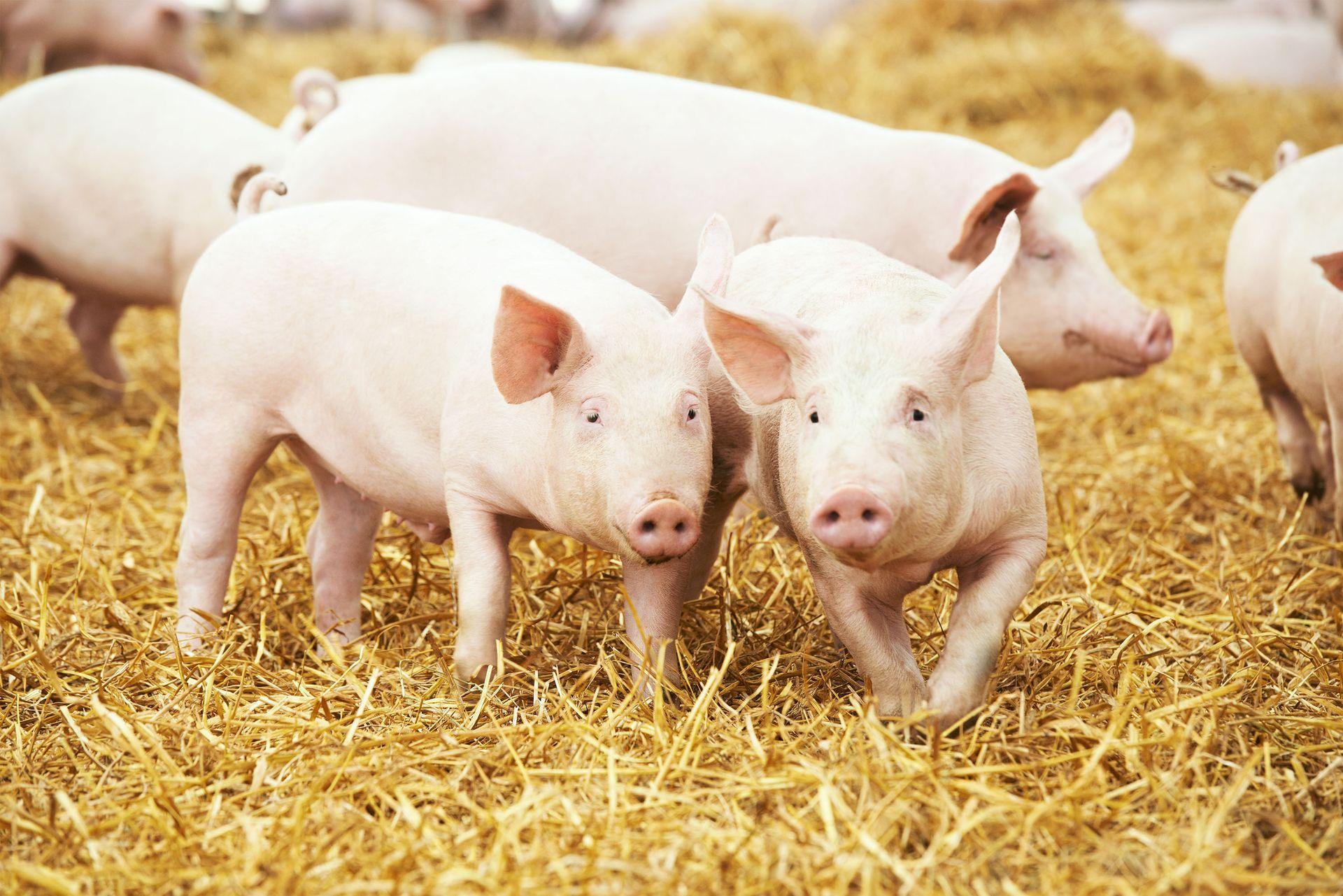
Wild hog infestations cause significant damage to agriculture, particularly in regions where these animals thrive. The destruction to crops, fences, and other farm infrastructure translates to substantial financial losses for farmers. This continual devastation contributes to increased costs for crop production and repair, significantly impacting profit margins. Moreover, hog-related damages are not only limited to crop losses; they also extend to affecting worker productivity and operational costs. According to the Texas A&M Natural Resources Institute, researchers now estimate that the yearly national price tag for feral hog damage falls between $800 million and $1.5 billion.
Analyzing Broader Economic Ripple Effects
Beyond direct agricultural losses, wild hog infestations exert a broader economic toll on rural economies. The reduction in farm profitability can lead to decreased spending in local economies, affecting businesses that rely on thriving agriculture. The need for increased pest control and management services places an added financial burden on local governments and taxpayers. The effects of hog infestations also trickle down to affect food prices and availability, influencing consumer markets. When agriculture suffers due to wild hogs, the economic repercussions are felt well beyond the fields.
Navigating Insurance and Compensation Challenges
Securing insurance for hog-related damages presents distinct challenges for farmers. Many standard agricultural insurance policies do not comprehensively cover losses from wildlife, putting farmers at financial risk. As a result, farmers may face uncompensated losses, compounding the economic strain induced by hog invasions. Efforts to integrate wildlife damages into agricultural insurance schemes often face bureaucratic hurdles and require premium adjustments, making them less accessible. Addressing these challenges could provide critical financial relief for affected agricultural producers.
Monitoring Technological Advancements
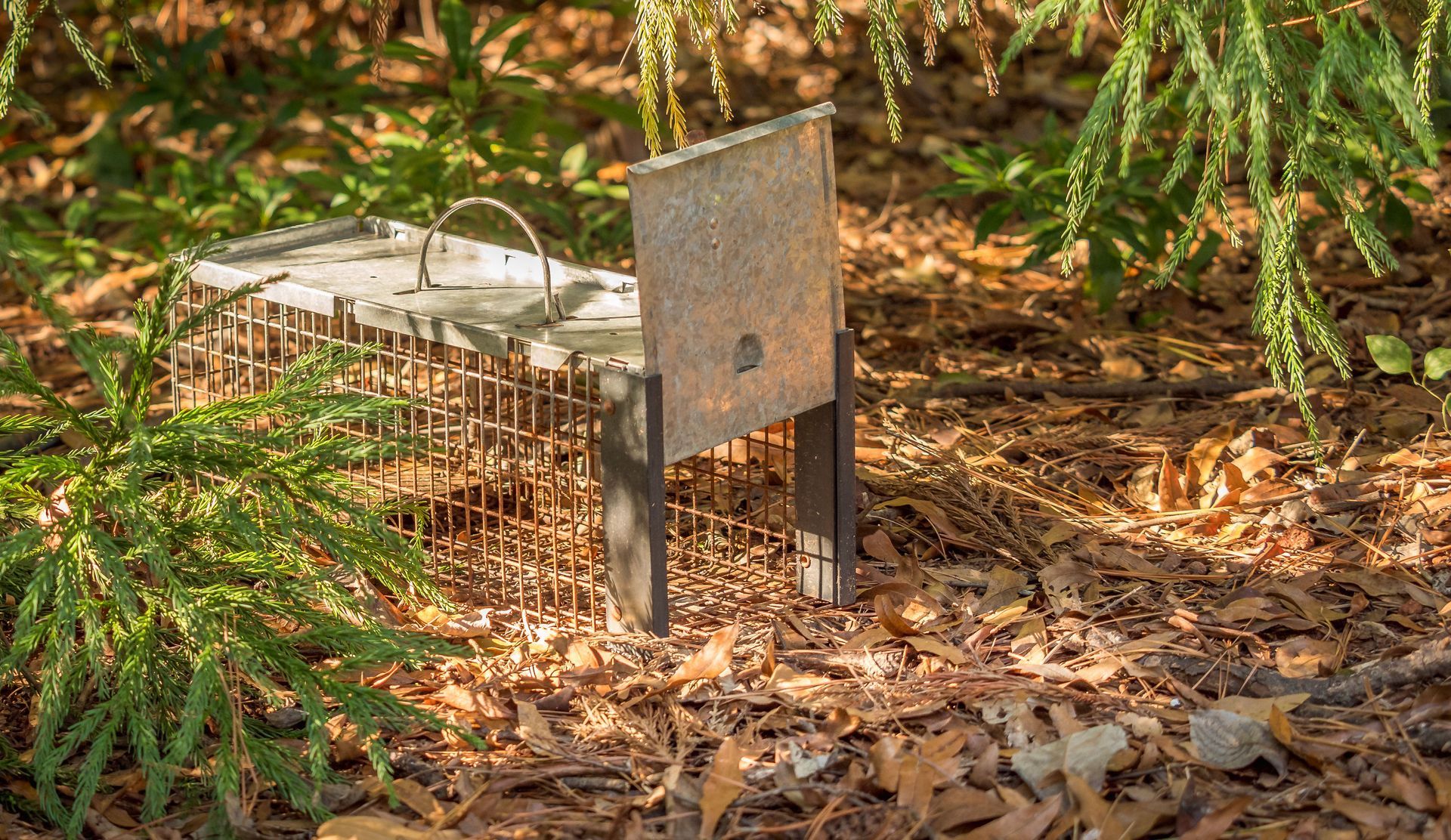
Trapping hardware has evolved significantly over the years to meet the growing challenges posed by feral hog populations. Early designs were often rudimentary and inefficient, failing to capture entire sounders or causing stress-related issues among captured hogs. Modern designs incorporate more effective shapes and materials, aligning with the behavioral patterns of hogs for enhanced efficacy. Large corral-style structures, often equipped with drop gates, allow for the capture of multiple hogs at once, increasing their overall efficiency. These design improvements reflect a greater understanding of wild hog behavior and emphasize humane capture methods.
Integrating Remote Monitoring Systems
One of the most significant advancements in trapping technology is the integration of remote monitoring systems. These systems enable operators to monitor progress via smartphones, significantly improving operational efficiency. By receiving real-time notifications, users can assess the situation and make decisions about deployment or animal capture without on-site visits. This innovation reduces labor costs and minimizes stress to captured animals, supporting ethical practices in wildlife management. The adoption of remote monitoring exemplifies how technology can be leveraged to resolve complex wildlife management issues effectively.
Maximizing Innovations in Capture Efficiency
Modern hog traps are designed with a focus on maximizing capture efficiency while minimizing the risk of escape. Innovations such as continuous catch systems and one-way doors have enhanced the likelihood of successful captures. The use of automatic bait dispensers helps to attract and contain hogs within target areas, increasing capture rates. These technological improvements are critical in capturing entire sounders, which is essential for effective population control. Enhancing capture efficiency not only protects agricultural assets but also promotes humane wildlife management practices.
Utilizing Real-Time Data Collection and Analysis
The use of real-time data collection and analysis has revolutionized trapping technologies. Advanced systems equipped with cameras and sensors provide valuable insights into hog behavior and trap effectiveness, facilitating data-driven decision-making. This information can be used to improve placement and strategy, enhancing overall management practices. By leveraging data analytics, farmers and wildlife managers can optimize resources, reduce costs, and increase capture success rates. Enhanced data capabilities provide a comprehensive approach to managing hog populations, reflecting the precision needed for modern agriculture.
Analyzing Environmental and Agricultural Benefits
Modern hog traps significantly mitigate the agricultural damage caused by feral hogs, aiding in the preservation of crops and soil. By effectively capturing hogs, these units prevent extensive crop losses and soil erosion caused by rooting behavior. The ability to curtail such destruction leads to higher crop yields and maintains soil quality, essential for sustainable farming. As farmers see the benefits of reduced damage, they sustain crop integrity and protect their livelihoods. Reinforced effectiveness and strategic deployment contribute to stabilizing agricultural production and reducing economic vulnerabilities.
Protecting Biodiversity by Mitigating Invasive Species
Wild hogs, as an invasive species, pose significant threats to native biodiversity. By employing advanced trapping technologies, their populations can be managed, allowing native species to thrive. In ecosystems devoid of hog populations, plant and animal species are left undisturbed, supporting a balanced ecosystem. Through successful management, these traps aid in preserving habitats essential for native flora and fauna. Addressing invasive species concerns directly contributes to broader environmental conservation efforts, demonstrating the importance of modern wildlife management techniques.
Enhancing Ecosystem Stability and Balance
By effectively managing hog populations, modern traps play a crucial role in enhancing ecosystem stability. Hogs are known to cause disturbances in the soil and prey on other species, disrupting natural ecological processes. By removing this disruptive influence, ecosystems regain equilibrium, supporting various trophic levels of flora and fauna. Maintenance of ecosystem stability benefits agricultural lands, ensuring that natural plant and animal processes continue unimpeded. This long-term approach to wildlife management fosters a healthier environment and promotes sustainable agricultural practices.
Addressing Challenges and Limitations
The cost of acquiring and maintaining advanced hog traps presents a challenge for small-scale farmers. While larger agricultural operations can absorb these costs, smaller entities may struggle with the initial financial investment. To help these producers, subsidies or financial assistance programs are increasingly necessary. Furthermore, training and support services can enhance the adoption rates among small-scale farmers. Addressing these barriers is essential for widespread implementation and strengthening rural agricultural resilience across the board.
Adapting to Variability in Trap Effectiveness
Geographical factors can influence how well a system performs, posing challenges to uniform application. Variations in landscape, hog behaviors, and available resources necessitate tailored approaches in different regions. A configuration that is effective in one area may require adaptation to perform optimally elsewhere. This variability underscores the need for customized trapping strategies that consider local environmental and ecological factors. Employing region-specific strategies allows trapping initiatives to remain effective and responsive to unique agricultural needs.
Considering Potential Ethical and Welfare Concerns
Ethical and welfare concerns regarding the use of hog traps warrant careful consideration. Maintaining humane treatment of captured animals is a priority, emphasizing the need for designs that minimize stress and injury. As public awareness of animal welfare increases, transparency and accountability in trapping practices become crucial. Balancing effective population control with ethical considerations strengthens community trust and supports regulatory compliance. Addressing these issues aligns with broader societal values and enhances the reputation of wildlife management initiatives.
The battle against wild hog infestations is a complex yet crucial endeavor, with modern trapping technologies playing a pivotal role in mitigating agricultural and environmental damage. By understanding the economic impacts, leveraging technological advances, and fostering community support, the agricultural sector can better protect itself from these invasive threats. Ongoing innovation and policy support will be essential to maintain sustainable and effective management strategies in the years to come.
If you are looking for professional solutions to end the cycle of destruction on your property, reach out to Hog Brothers today. Our team is dedicated to providing high-performance hog traps and management strategies tailored to your specific acreage. Contact us to learn more about how we can help you reclaim your fields and safeguard your agricultural investments.